

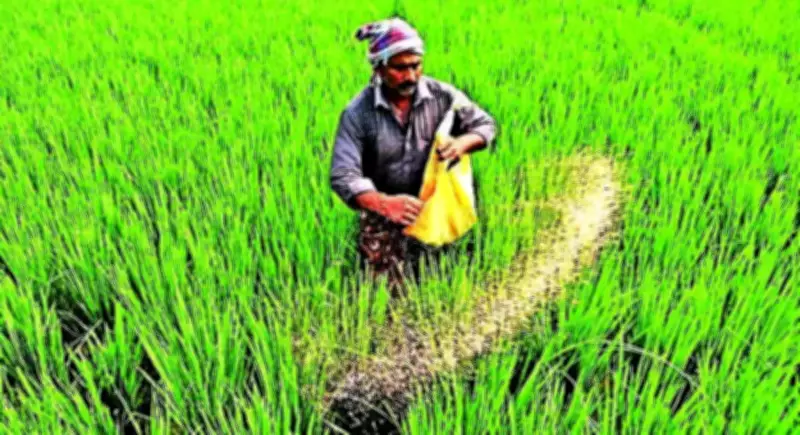
The Union government has launched a major investigation into suspected irregularities in the sale of subsidised fertilisers in Andhra Pradesh after shocking discrepancies were detected in DAP and urea sales at several retail outlets, particularly in West Godavari and Konaseema districts.
Investigation Initiated After Suspicious Sales Data
The probe was initiated after fertiliser monitoring agencies identified inflated sales figures at certain shops that were disproportionate to their historical averages and local agricultural demand. Officials suspect large-scale diversion, hoarding, and possible black marketing of subsidised fertilisers meant for farmers.
Examples of Abnormal Sales
- A fertiliser outlet in West Godavari district, which reportedly sold an average of only 20 bags in April over the past three years, recorded sales of nearly 7,600 bags during the corresponding period this year. Authorities described the jump as “highly abnormal” and impossible under normal cultivation conditions.
- In another case, a fertiliser dealer in Bandi Atmakur village of Nandyal district, whose average monthly sales were only 825 bags over the last few years, reportedly sold nearly 5,850 bags this April alone.
- Another outlet in Koyyalagudem of Eluru district, which usually recorded sales of around 10 bags, allegedly sold over 3,700 bags during the same period.
- Similarly, a shop in Adoni of Kurnool district showed current sales of around 5,050 bags, while its last three years’ average was just 117 bags, officials found.
Data Analysis Raises Red Flags
Officials said these figures raised suspicion because there was no corresponding increase in cultivated acreage or changes in crop patterns to justify such massive fertiliser consumption. The unusual surge was identified during data analysis carried out through the Centre’s fertiliser monitoring system and point-of-sale tracking mechanism.

Following the findings, Central teams, along with agriculture department officials, began inspections at fertiliser outlets, warehouses, and distribution points. Authorities are tallying stock registers, transportation records, digital sales entries, and farmers’ purchase details to determine whether subsidised fertilisers were diverted illegally.
Potential Diversion Methods
Investigators suspect that fertilisers may have been moved to other states or sold in bulk through unofficial channels using fake or repeated farmer credentials. Officials are also probing whether point-of-sale systems were manipulated to inflate transactions and conceal actual beneficiaries.
Centre’s Serious Concern
Sources said the Centre has taken the issue seriously as fertiliser subsidies involve massive public expenditure, and any diversion directly impacts genuine farmers. The Union chemicals and fertilisers ministry has reportedly sought a comprehensive report from Andhra Pradesh authorities on district-wise sales, stock availability, and the action initiated against suspicious dealers.
Inspections are also focusing on whether dealers maintained proper records and complied with fertiliser distribution norms. In several locations, officials reportedly found discrepancies in stock documentation and unusual patterns in bulk purchases. Agriculture department officials, however, maintained that fertiliser stocks remain sufficient in the state and there is no immediate shortage, but also acknowledged that the abnormal sales patterns warranted a thorough investigation.
Farmer Organisations Demand Action
Farmer organisations demanded strict action against dealers involved in diversion and black marketing, alleging that artificial scarcity often affects genuine cultivators during peak farming seasons. They urged authorities to strengthen monitoring mechanisms and ensure that fertilisers reach actual farmers.
The Centre has reportedly directed officials to intensify surveillance of fertiliser movement through real-time tracking systems and conduct surprise inspections across vulnerable districts. Authorities have indicated that dealership licences could be cancelled and criminal cases filed if large-scale irregularities are confirmed in the ongoing investigation.






