Ghaziabad's Hidden Fire Hazard: Cloud Kitchens Stockpile Gas Cylinders in Residential Areas
In the bustling residential complexes of Ghaziabad, a silent but deadly threat is brewing within the walls of homes and basements. Eateries and cloud kitchens operating from residential premises are stockpiling gas cylinders far beyond safety limits, creating what fire officials describe as a major fire safety concern for thousands of residents.
The Dangerous Reality of Residential Cloud Kitchens
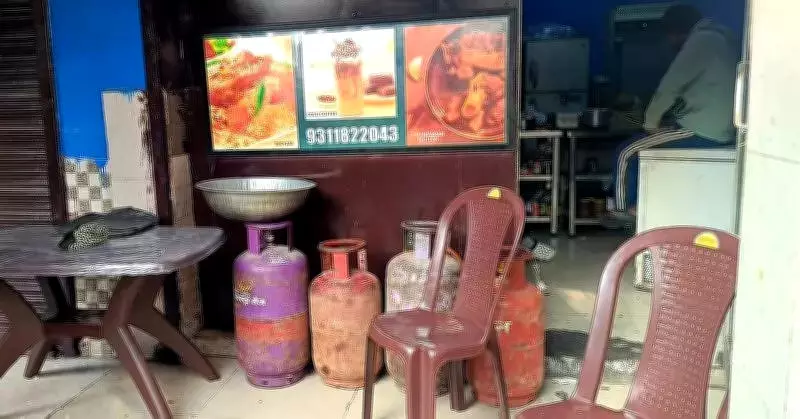
Driven by the explosive growth of app-based food delivery services, these cloud kitchens function without storefronts or dine-in facilities, focusing exclusively on online orders. While this business model lowers operational costs and enables round-the-clock service, it comes with significant safety compromises. These kitchens often operate from basements, apartments, and setbacks of high-rise residential complexes, storing gas cylinders in narrow corridors, beside hot ovens, or inside cramped cupboards.
Under existing safety norms, restaurants are permitted to store no more than two gas cylinders at any given time. However, investigations reveal that many cloud kitchens in residential areas stock six to twelve cylinders simultaneously to maintain their 24x7 operations. In the confined spaces of residential towers, a single leak or spark could trigger a catastrophic explosion that would compromise the structural integrity of entire buildings.

Past Incidents and Growing Resident Concerns
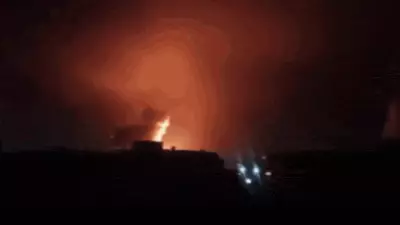
The dangers are not merely theoretical. In 2019, a major fire broke out in the basement of L Block at Jaipuria Sunrise Greens in Indirapuram's Ahinsa Khand 1, where a cloud kitchen was operating. The blaze triggered a series of explosions after gas cylinders stored in the basement caught fire, requiring more than five hours and over a dozen fire tenders to bring the situation under control.
"The memories of that incident are still fresh," said Sunrise Greens RWA president Amit Choudhary. "Just a week ago, there was another fire in J Block. Though less severe, it was enough to raise an alarm. This issue needs to be addressed before a major disaster strikes."
According to residents, basements marked as storage areas in building plans have been rented out to run cloud kitchens in clear violation of bylaws. "In our society alone, there are at least 20 such cloud kitchens," Choudhary revealed. "Each one stores six to 12 gas cylinders. One can imagine what would happen if a fire breaks out. We have approached authorities for months, but nothing has changed."
Beyond Basements: Apartments and Setback Areas
The problem extends beyond basements. "Cloud kitchens are also operating out of apartments," said Sana Sayed, another resident of Sunrise Greens. "Running commercial activities from residential premises is illegal, and on top of that, it creates a serious fire hazard."
Sunrise Greens, which houses approximately 1,600 residents across 16 towers, has seen growing opposition to these operations. More than 600 residents have signed a petition demanding action. Beyond fire safety concerns, residents complain about the nuisance created by late-night operations. "People order food late into the night, often while drinking," Sayed explained. "There are complaints of drunken brawls at odd hours, waking residents from sleep."
In Crossings Republik, the situation is equally alarming. Residents report that setback areas and convenience shop zones, meant for emergency access and basic resident needs, have been converted into eatery zones. "While building bylaws permit convenience shops to operate within group housing schemes only to cater to residents, builders have created far more shops than sanctioned," said Crossings resident Sanjay Jha. "Currently, the setback area meant for emergency exit has been rented out to eateries and other shops. Some have even placed tables and chairs, creating chaos and potential hazards."

Regulatory Challenges and Enforcement Gaps
Regulatory agencies acknowledge the problem but cite significant enforcement challenges. The district supply officer (DSO), responsible for regulating gas cylinder usage, admitted that violations were widespread. "We are aware of the situation and conduct inspections from time to time," said DSO Amit Tiwari. "Violations can invite FIRs, but FIRs are usually lodged only after an incident."
Tiwari highlighted the particular difficulty of conducting inspections inside residential societies. "We need RWA permission and gate passes. The process is cumbersome, but we do act when complaints are filed."
Food safety department officials revealed that the regulatory framework remains unclear regarding cloud kitchens. "We issue licences to eateries, hotels and messes under the Food Vending Establishment provisions, but there are no specific rules for cloud kitchens," explained Aushutosh Rai from the department. "Even so, they are required to obtain licences like other eateries. But there are hundreds operating without one in the city."
Fire officials noted that their jurisdiction becomes limited once a society has obtained a fire NOC. According to chief fire officer (Ghaziabad) Rahul Pal, violations in marketplaces are more visible and subject to routine inspections. "But cloud kitchens operating inside societies fall under the purview of GDA and GMC," he stated.
Legal Framework and Promised Action
An official from the Ghaziabad Development Authority (GDA) clarified that commercial establishments could be regularized in residential areas only under specific conditions, including where the road width outside such shops measures between 24 and 30 meters. However, operations run from purely residential premises, including flats used as messes or cloud kitchens, remain illegal, with action taken based on complaints.
Mayor Sunita Dayal assured residents that the civic body would take decisive action. "This issue directly concerns residents' safety and cannot be taken lightly," she emphasized. "Based on existing bylaws, action will be taken very shortly."
As Ghaziabad continues to embrace the convenience of app-based food delivery, the tension between commercial innovation and residential safety grows more pronounced. The proliferation of cloud kitchens in residential areas represents a significant regulatory blind spot that requires immediate attention from multiple authorities to prevent potential tragedies.