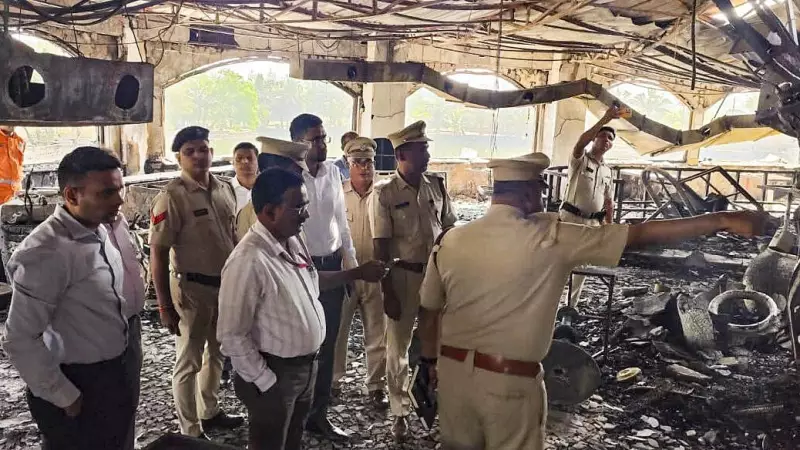
In a decisive move following the devastating fire at a nightclub in North Goa, the state authorities have taken strict administrative action against local officials. The sarpanch of Arpora has been disqualified, and the panchayat secretary has been dismissed from government service. This action stems from their alleged failure in duty, which, as per an official order, resulted in a catastrophic breach of public trust leading to the loss of 25 lives.
Official Order Cites Catastrophic Breach of Trust
The punitive measures were enacted under the powers granted by section 50(5) of the Goa Panchayati Raj Act. The official order, passed recently, did not mince words. It explicitly stated that the breach of public trust resulted in a catastrophe, causing the death of 25 people. This legal framework allows for the removal of elected representatives and government servants found guilty of misconduct or neglect of duty.
Details of the Tragic Incident and Aftermath
The fire, which erupted at a popular nightclub in the Arpora area, sent shockwaves across the coastal state and the nation. The incident, which occurred earlier, prompted immediate investigations into safety lapses and regulatory failures. The tragedy highlighted severe shortcomings in the enforcement of fire safety norms and building regulations at entertainment venues.
The subsequent inquiry pointed towards lapses at the local governance level, holding the Arpora sarpanch and the panchayat secretary accountable for their roles in the oversight mechanism. Their alleged inaction or negligence is considered a direct contributor to the circumstances that led to the high casualty count.
Wider Implications and Calls for Accountability
This disciplinary action is seen as a strong message from the Goa government, emphasizing accountability in public office. The disqualification of an elected sarpanch and the sacking of a government servant are significant steps, underscoring the seriousness with which the administration is treating the lapses that led to the tragedy.
The move is likely to set a precedent for how similar cases of administrative failure leading to public safety disasters are handled in the future. It also reinforces the legal principle that holders of public office are ultimately responsible for the welfare and safety of the citizens they serve.
As the community continues to mourn the loss of 25 lives, these actions represent a crucial, albeit painful, step towards justice and systemic reform to prevent such a tragedy from ever recurring.