

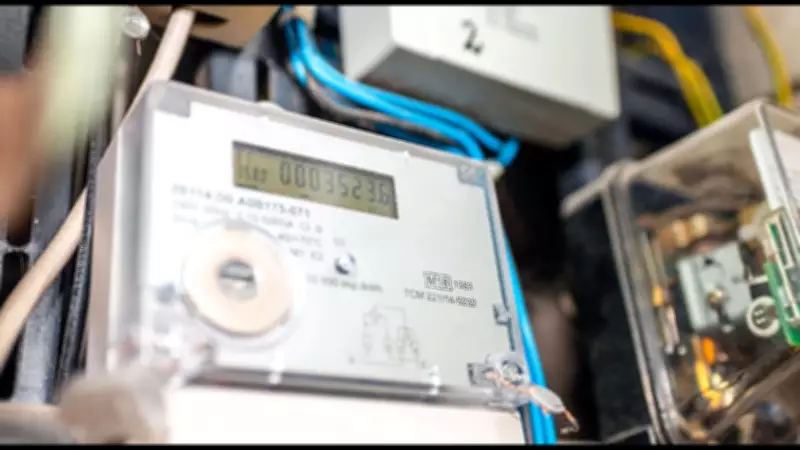
Goa Power Minister Declares Smart Meter Installation Mandatory, Bypasses Public Consultation
In a decisive statement on Thursday, Goa's Power Minister, Sudin Dhavalikar, confirmed that the state government is moving forward with the installation of smart electricity meters across the region. He emphasized that this initiative is being implemented in strict adherence to the central government's directives, with no requirement for public consultation or discussion on the matter.
Minister Dhavalikar's Firm Stance on Implementation
Addressing reporters in Panaji, Minister Dhavalikar made it clear that the decision to install smart meters is non-negotiable. "There is no discussion required to be held on this issue," he asserted, highlighting the government's commitment to following the central government's notification. He further explained, "We have to implement smart meters as per the central government's decision, and the government will exercise its powers accordingly."
This move comes as part of a broader national effort, with the Joint Electricity Regulatory Commission (JERC) having set a timeline for the installation of smart meters across the country within one and a half years. Dhavalikar pointed out that this regulatory push adds urgency to Goa's implementation plans, reinforcing the need for swift action without delays from public debates.

Growing Opposition and Consumer Concerns
Despite the government's firm stance, the decision has sparked significant opposition from various groups within Goa. Critics argue that the installation of smart meters represents a wasteful expenditure, particularly for consumers who have recently installed new meters or those whose existing meters are still in proper working condition. These groups contend that the move could impose unnecessary financial burdens on households and businesses, questioning the cost-effectiveness and timing of the rollout.
The opposition highlights broader concerns about the transparency and inclusivity of the decision-making process. Many residents feel that bypassing public consultation undermines democratic principles and could lead to unintended consequences, such as increased electricity bills or technical issues with the new smart meter systems.
Broader Implications for Goa's Energy Sector
The installation of smart meters is seen as a key step in modernizing Goa's electricity infrastructure. Proponents argue that these devices offer numerous benefits, including:
- Improved accuracy in billing, reducing errors and disputes.
- Enhanced monitoring of energy consumption, helping consumers manage usage more efficiently.
- Support for renewable energy integration, facilitating better grid management.
However, the lack of public consultation raises questions about how these benefits will be communicated and whether consumer concerns will be addressed. Minister Dhavalikar's statements suggest a top-down approach, prioritizing regulatory compliance over grassroots feedback, which could impact public trust and cooperation in the long run.
As Goa moves forward with this initiative, the tension between government mandates and public opposition is likely to persist. The outcome will not only shape the state's energy landscape but also set a precedent for how similar policies are implemented in other regions facing resistance to technological upgrades in essential services.






