Goa MLA Leads Inspection of Major Desilting Project to Alleviate Monsoon Flooding
In a proactive move to address persistent monsoon-related challenges, a detailed inspection of the ongoing desilting operations at the Tar river in Mapusa was conducted. The initiative, funded by the state government with an allocation of Rs 2 crore, aims to tackle long-standing drainage problems that have severely impacted the Guirim area.
Focus on Farmer-Centric Solutions
Saligao MLA Kedar Naik, accompanied by a team of engineers and contractors, personally reviewed the progress of the project. During the site visit, Naik underscored a 'farmer-first' approach, directing officials to actively incorporate local feedback into the project's execution.
"We are ensuring the work is executed exactly as the farmers require to protect their traditional occupations and existing ponds," Naik stated. He emphasized that the strategic placement of gates and the implementation of fortification works are being tailored based on inputs from the agricultural community.

Addressing Historical Waterlogging Issues
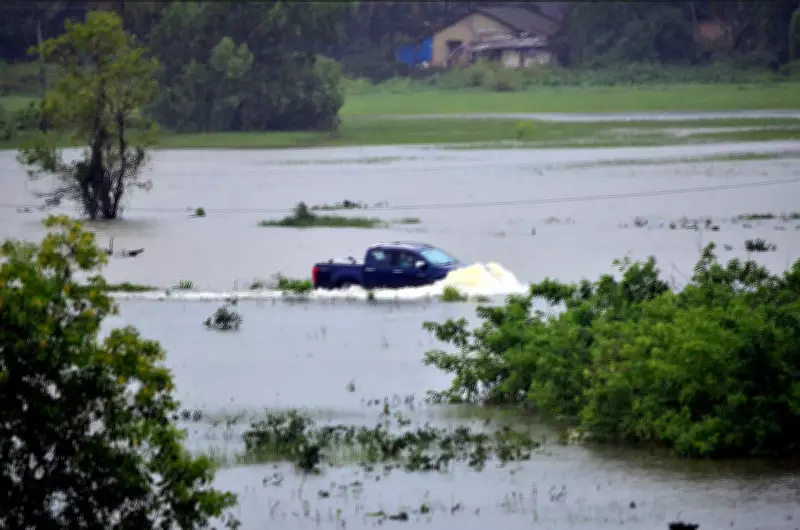
The desilting project was initiated in response to repeated instances of waterlogging during the monsoon season, which have historically caused significant hardships for both residents and farmers in the region. These flooding events have disrupted daily life and threatened agricultural livelihoods.
Naik expressed confidence that the comprehensive desilting efforts will effectively eliminate the seasonal flooding that has plagued the area. The project is designed to enhance drainage capacity, thereby reducing the risk of water accumulation and its associated damages.
Project Details and Community Impact
The Rs 2 crore state-funded initiative represents a significant investment in local infrastructure. Key components of the project include:
- Extensive desilting of the Tar river to improve water flow.
- Installation of strategically placed gates to manage water levels.
- Fortification works to strengthen riverbanks and prevent erosion.
By prioritizing the needs of farmers, the project aims to safeguard traditional agricultural practices and protect existing water bodies, such as ponds, which are vital for irrigation. This community-focused strategy is expected to enhance resilience against future monsoon challenges and support sustainable development in the region.