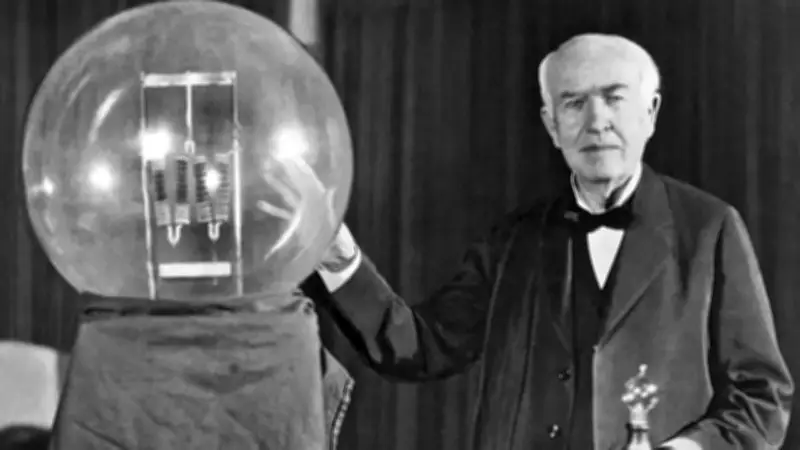
Redefining Failure: Thomas Edison's Timeless Lesson for Young Minds
In a world where failure is often viewed through a lens of negativity, especially for children who may experience frustration when immediate success eludes them, the perspective of legendary inventor Thomas Alva Edison offers a powerful counter-narrative. His renowned declaration, “I have not failed. I've just found 10,000 ways that won't work,” serves as an inspirational beacon, teaching children that setbacks are not defeats but essential steps in the journey of learning and personal growth.
Failure as a Fundamental Component of Learning
This profound quote encourages children to perceive failure not as something to fear, but as an integral part of the educational process. Whether a child is tackling a new academic subject, attempting a sport for the first time, or experimenting with art, initial struggles do not equate to failure. Instead, they signify the beginning of a learning curve. Each unsuccessful attempt imparts valuable knowledge, helping children understand that mastery requires patience and persistence. By internalizing this message, children can develop greater confidence, empowering them to explore new endeavors without the paralyzing fear of making mistakes.
Every Mistake Imparts a Valuable Lesson
Edison's wisdom highlights that every failure or error in life carries an inherent lesson. When a child encounters a setback, such as failing at a task on the first try, it provides critical insights for subsequent attempts. This iterative process transforms failures into teaching moments, fostering a mindset where children view challenges as opportunities rather than obstacles. Those who embrace this philosophy often achieve greater success in life, as they learn to interpret failures as stepping stones toward achievement rather than as endpoints.

The Power of Persistence and Never Giving Up
The story of Thomas Edison's relentless efforts, including thousands of attempts before successfully inventing the light bulb, underscores the importance of perseverance. It teaches children that success rarely comes from a single attempt; it is the result of numerous trials and unwavering determination. During difficult times, children can draw strength from knowing that many accomplished individuals faced repeated failures before achieving greatness. The key takeaway is to maintain effort and resilience, refusing to surrender in the face of adversity.
Cultivating a Positive Mindset for Lasting Impact
This quote also emphasizes the significance of a positive attitude. By reframing thoughts from “I failed” to “I learned something new,” children can dramatically shift their approach to challenges. This optimistic outlook fosters motivation, bolsters confidence, and builds emotional strength, enabling them to navigate tough situations with grace and determination. A positive mindset not only enhances problem-solving skills but also contributes to overall well-being and personal development.
Failure as the Pathway to Success
The core message Edison conveys is that failure and success are not opposing forces but interconnected elements of growth. When children shed their fear of failure, they open themselves to continuous learning and eventual triumph. Edison's encouraging words reinforce the idea that each setback brings them closer to their goals, transforming the journey into a rewarding experience of discovery and achievement.