Goa's Smart Meter Project on Track for 2027 Completion
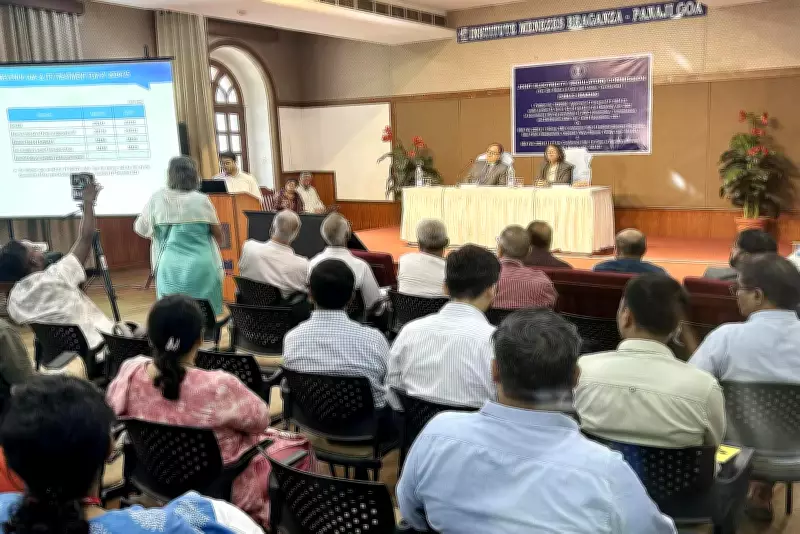
In a robust defense of Goa's ambitious smart meter initiative, Chief Electrical Engineer Stephen Fernandes announced on Thursday that the installation of these advanced meters is slated for completion by August 2027. Speaking during a Joint Electricity Regulatory Commission (JERC) public hearing for North Goa, Fernandes emphasized that the project is essential for modernizing the state's power infrastructure and is being unfairly opposed for political gains.
Addressing Concerns and Clarifying Benefits
Fernandes stressed that smart metering is a critical necessity in today's era, enabling consumers to monitor their daily electricity usage with greater precision. He clarified that the technology will not alter the fundamental method of recording consumption, as Goa already utilizes electronic meters. Instead, it will provide enhanced insights, boost efficiency, and foster transparency in billing processes.
"Smart metering will not change consumption recording. It will only provide better insights, improve efficiency, and enhance transparency," Fernandes stated, urging critics to refrain from comparing Goa's project with implementations in states like Bihar and Uttar Pradesh. He pointed out that those regions relied on outdated electro-magnetic meters, whereas Goa's system is designed to ensure accurate billing without inflating consumption levels.

Empowering Consumers and Reducing Losses
The chief electrical engineer highlighted that smart meters will empower consumers to time their power usage more effectively, potentially lowering their overall consumption. "The cost of power may increase, but the units consumed by customers will be controlled and brought lower," he explained. This approach aims to help both households and the electricity department better understand usage patterns, minimize billing errors, and strengthen accountability across the grid.
Fernandes reiterated that the system is transparent and aligns with contemporary needs, asserting, "The system is very transparent and is the need of the hour." The project involves installing 7,50,356 smart electricity meters statewide, with a total investment of Rs 890.11 crore. It is being executed under the Advanced Metering Infrastructure Service Provider (AMISP) model, which features payments on a per-meter, per-month basis over 93 months, avoiding large upfront capital expenditures.
Additional Infrastructure Insights
During the hearing, Fernandes also addressed queries about underground cabling, describing it as "a good project" that will yield public benefits. He acknowledged past challenges with aerial bunched cabling, noting difficulties in fault detection. "Whenever there is a fault, we could not trace the fault," he admitted, but assured that corrective measures are underway to improve reliability and service delivery.
Overall, the smart meter project represents a significant step toward modernizing Goa's electricity network, with Fernandes championing its potential to reduce power losses, enhance consumer awareness, and drive operational efficiencies for years to come.