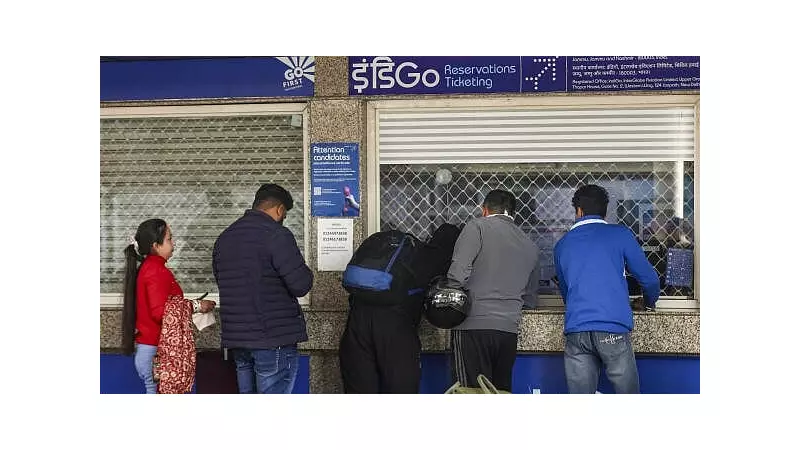
In a decisive move to shield air passengers from exorbitant prices, the Ministry of Civil Aviation has officially imposed a cap on airfares. This intervention comes amid a significant operational crisis at IndiGo, India's largest carrier, which has led to a sharp and worrying surge in ticket costs across many routes.
Government Steps In With Fare Control Measures
The Ministry announced the new regulatory measure on 06 December 2025. The decision to introduce an airfare cap is a direct response to the market instability and passenger distress caused by the ongoing issues at IndiGo. The airline's troubles have reduced available seating capacity, creating a supply crunch that other airlines were capitalizing on through inflated pricing.
Officials stated that the prescribed fare bands are designed to prevent predatory pricing and ensure travel remains accessible. "Any deviation from the prescribed norms will attract immediate corrective action in the larger public interest," a stern warning from the Ministry emphasized. This makes it clear that the government is treating the affordability of air travel as a matter of public welfare.

Proactive Surveillance Through Real-Time Data
Beyond just setting price limits, the Ministry has outlined a robust mechanism for enforcement. Authorities will closely monitor fare levels through real-time data feeds. This surveillance will involve active coordination with both airlines and major online travel platforms (OTPs), which are the primary booking channels for most flyers.
The real-time monitoring system aims to create transparency and allow for swift action. The Ministry's approach indicates a shift towards more hands-on regulation of the aviation market during periods of disruption, ensuring that airlines cannot exploit temporary shortages for undue profit.
Implications for Airlines and Passengers
The immediate effect of this order is a stabilization of ticket prices for distressed routes. For passengers, this brings much-needed relief and predictability in planning travel. It prevents the last-minute fare spikes that had become common in the wake of the IndiGo crisis.
For airlines, the cap introduces a new layer of compliance. While it may limit revenue potential on high-demand routes, it also ensures a level playing field and protects the industry's reputation from consumer backlash. The government's readiness to take immediate corrective action serves as a significant deterrent against attempts to bypass the rules.
The success of this intervention will now depend on the efficacy of the monitoring system and the government's resolve to penalize violations. As the IndiGo situation evolves, all eyes will be on how this fare regulation impacts market dynamics and passenger confidence in the coming weeks.