

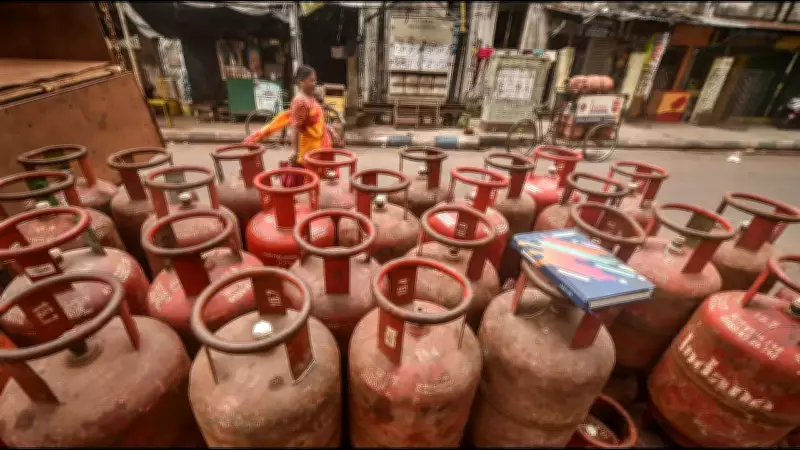
The Indian government announced on Monday that domestic LPG cylinder deliveries have improved, with current demand being met and backlogs cleared, indicating a reduction in panic buying since March. Petroleum ministry joint secretary Sujata Sharma stated that delivery times for cooking gas cylinders from the date of booking have also improved.
Supplies Exceed Bookings
Sharma noted that LPG cylinder supplies have exceeded bookings over the past few days. Efforts are underway to normalize bookings and deliveries, with oil marketing companies clearing the backlog. LPG production at refineries has been ramped up to approximately 50,000 tonnes per day to support domestic availability.
While slightly less than 1.7 crore refills were booked over the last four days, gas distributors managed to supply six lakh more cylinders. Before the West Asia conflict in March, delivery time for a refill was two days, which increased to over five days during the conflict's peak. The backlog has steadily decreased, and delivery time has now come down to 4.5 days, with the goal of delivering more refills than booked.

New Rules for PNG Connections
The government issued a notification allowing LPG customers to either surrender their gas cylinder connection within 30 days of obtaining a PNG connection or receive a transfer voucher from the distributor to restore their connection in a non-PNG area in the future. This move benefits consumers with transferable jobs, migrant households, tenants, students, and families shifting to non-PNG areas.
Fuel Shortages Addressed
Regarding shortages at some retail pumps, Sharma clarified there was no fuel shortage, and both the government and oil retailers are closely monitoring the situation. All retail outlets are being monitored by oil marketing companies and the petroleum ministry, with any intermittent dryouts addressed immediately and stocks replenished.
Panic buying was observed at petrol pumps in parts of Gujarat, Maharashtra, and Uttar Pradesh, leading to a 20-30% surge in demand due to factors like increased agricultural consumption, bulk users buying from retail outlets because of price differences, and consumers shifting from private pumps to state-owned retailers. The ministry attributed the panic buying partly to higher agricultural demand, bulk purchases, and consumers switching from private to state-run outlets due to price variations.






