

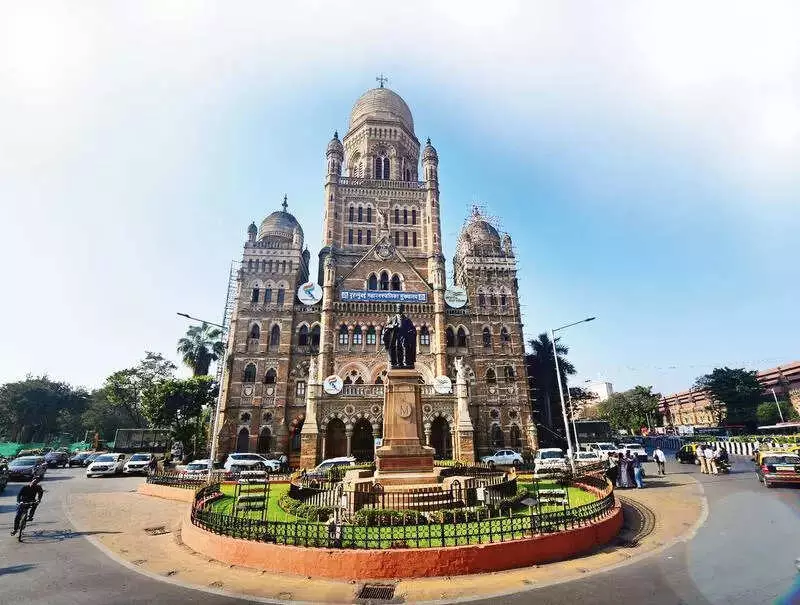
Shocking data obtained through the Right to Information (RTI) Act has exposed a massive shortfall in property tax collections by the Brihanmumbai Municipal Corporation (BMC) from various government departments and public authorities. The figures reveal that these state and central government bodies collectively owe the civic body a staggering sum exceeding Rs 3,000 crore, with recoveries over the past five years being minuscule in comparison.
Mounting Dues from Government Defaulters
The information was provided by the BMC in response to an RTI query filed by civic activist and advocate Godfrey Pimenta. According to the civic body's reply dated December 12, 2025, the total property tax arrears owed by the state and central governments and their various authorities stood at a colossal Rs 3,283 crore as of October 31, 2025.
Prominent defaulters listed in the response include major agencies such as the Maharashtra Housing and Area Development Authority (Mhada), Indian Railways, and numerous other bodies operated by the state and central governments. Pimenta had raised the critical question of why honest individual taxpayers should bear the financial burden while government entities themselves default on their statutory payments.

Ineffective Recovery Efforts and Legal Notices
In its response, the BMC stated that it has issued formal demand notices to these defaulting authorities under Section 202 of the Mumbai Municipal Corporation Act, 1888. The civic administration further detailed that its deputy chief accountant (finance) and other concerned departments have engaged in repeated correspondence with the state and central governments, urging them to clear the long-pending dues.
Despite these efforts, the recovery process has been painfully slow. The BMC admitted that over the past five years, it has managed to recover only Rs 243 crore from these government entities. "Follow-ups are carried out through periodic meetings with the relevant authorities to recover the outstanding arrears," the BMC added in its RTI reply.
When contacted, civic officials confirmed the pending dues and maintained that follow-ups with the concerned agencies are ongoing. An official stated, "However, our teams have been working hard to ensure that recoveries are also done in case of defaulters."
Impact on Civic Finances and Citizen Burden
Activist Godfrey Pimenta highlighted the severe implications of this situation. He pointed out that the mounting arrears from government bodies put additional strain on the BMC's finances. This shortfall potentially compromises the civic body's ability to fund essential public services and infrastructure projects, ultimately creating pressure that could lead to an increased tax burden on individual citizens.
Property tax is the single largest source of revenue for the BMC. In the financial year 2024-25, the corporation collected property tax worth Rs 6,198 crore. For individual property owners in Mumbai, failure to pay tax invites strict recovery proceedings under the municipal act, including interest, penalties, and demand notices. The stark contrast in the treatment of government defaulters versus individual taxpayers has raised significant concerns about equity and enforcement.
The revelation underscores a critical challenge in urban governance, where one arm of the government struggles to collect legitimate dues from other public entities, thereby affecting the overall financial health of the city's administration and the services delivered to its residents.






