

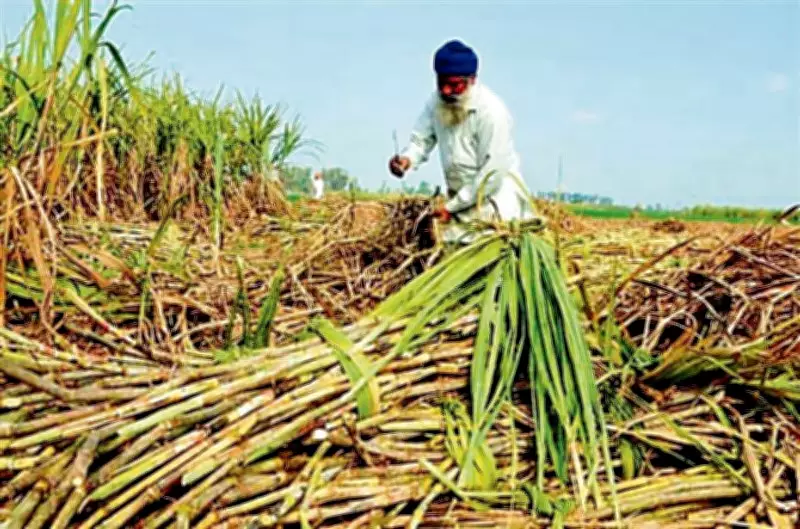
The Indian government has decided to withdraw the controversial draft Sugarcane Control Order 2026, which had sparked widespread protests from farmers and political parties. The order, which proposed significant changes in the sugar sector, was seen as favoring sugar mills at the expense of cane growers.
Key Provisions of the Withdrawn Order
The draft order had proposed allowing sugar mills to decide the timing and quantity of cane purchases, potentially delaying payments to farmers. It also aimed to reduce the role of state governments in fixing cane prices, a move that critics argued would undermine farmers' interests.
Reasons for Withdrawal
Facing intense opposition, the government decided to withdraw the order to maintain stability in the sugar industry and address the concerns of farmers. The decision came after several states, including Uttar Pradesh and Maharashtra, expressed strong reservations.

Agriculture Minister Narendra Singh Tomar stated that the government would consult all stakeholders before bringing a new order. He emphasized that the welfare of sugarcane farmers remains a top priority.
Reactions from Stakeholders
Farmer unions have welcomed the withdrawal, calling it a victory for their agitation. The Bharatiya Kisan Union (BKU) said it would continue to monitor the government's actions. Opposition parties, including the Congress, accused the government of initially trying to push a pro-corporate agenda.
On the other hand, sugar mill associations expressed disappointment, stating that the order was necessary to improve efficiency and reduce operational costs.
Next Steps
The government is expected to release a revised draft after comprehensive consultations with farmers, millers, and state governments. The new order is likely to address issues such as fair price fixation, timely payments, and sustainable sugar production.






