In a significant development for India's railway infrastructure, Railway Minister Ashwini Vaishnaw has unveiled what is being termed the 'mother of all deals'—a massive contract for the production of 200 new Vande Bharat trains. This announcement marks a pivotal moment in the modernization of the country's rail network, aiming to enhance connectivity and passenger comfort across various regions.
A Landmark Agreement for Vande Bharat Trains
The deal, finalized recently, involves the manufacturing of 200 Vande Bharat trains, which are semi-high-speed, self-propelled train sets known for their advanced features and efficiency. These trains are expected to significantly boost India's rail capacity, reduce travel times, and provide a more comfortable journey for millions of passengers annually. The project underscores the government's commitment to upgrading public transportation under initiatives like 'Make in India' and the National Rail Plan.
Goyal's Commitment to Fairness and Compassion
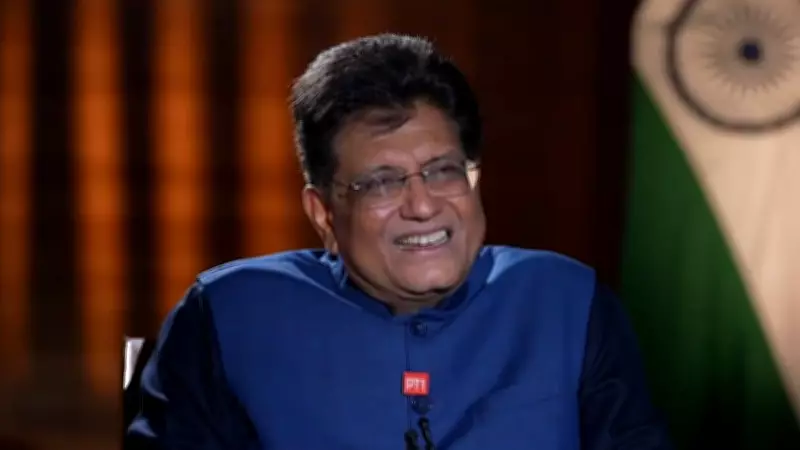
Following the announcement, Ashwini Goyal, a key figure involved in the project, addressed concerns about the distribution of benefits and responsibilities among the 28 stakeholders, including manufacturers, suppliers, and regulatory bodies. Goyal emphasized that the 'mother'—referring to the overarching deal or the railway ministry's approach—will be compassionate and fair to all parties involved.

In his statement, Goyal highlighted that the deal is designed to ensure equitable opportunities and transparent processes, preventing any bias or favoritism. He reassured that every stakeholder, from large corporations to smaller vendors, will receive fair treatment in terms of contracts, timelines, and support. This approach aims to foster collaboration and trust, essential for the successful execution of such a large-scale project.
Implications for Indian Railways and the Economy
The production of 200 Vande Bharat trains is expected to have far-reaching impacts beyond just transportation. It is projected to generate substantial employment opportunities in the manufacturing and allied sectors, contributing to economic growth. Additionally, the deal aligns with India's goals of reducing carbon emissions by promoting energy-efficient rail travel over road or air transport.
Experts believe that this initiative could set a precedent for future infrastructure projects in India, emphasizing fairness and inclusivity. The railway ministry's focus on compassion and equity reflects a broader shift towards more stakeholder-centric policies in government-led ventures.
Challenges and Future Prospects
While the deal is celebrated as a milestone, challenges such as timely execution, quality control, and logistical coordination among the 28 stakeholders remain. Goyal's assurance of fairness is seen as a step towards addressing these issues proactively. The success of this project could pave the way for more such deals in sectors like metro rail, freight corridors, and high-speed rail networks.
In conclusion, the 'mother of all deals' for Vande Bharat trains represents a transformative phase for Indian Railways. With commitments to compassion and fairness from leaders like Ashwini Goyal, it holds the promise of not only enhancing rail infrastructure but also strengthening India's industrial and economic landscape through collaborative efforts.