Residents of Gurugram have started receiving property tax bills that include an additional sanitation or garbage collection charge, a move that is expected to spark fresh debate over civic services in the Millennium City.
New Levy Details
The new levy, linked to property tax assessments, requires property owners to contribute separately towards waste collection, street sweeping, and other sanitation services managed by the Municipal Corporation of Gurugram (MCG). According to information available to residents and resident welfare associations (RWAs), the sanitation charge has been added to the latest property tax bills.
In several residential areas, residents have reported additional charges ranging from a few hundred rupees to over Rs 500, depending on the size and category of the property. For instance, in Sector 21's Surya Vihar Colony, residents reported a sanitation charge of approximately Rs 540 in recent bills. In some group housing societies, the levy reportedly ranges between Rs 216 and Rs 432.

Municipal Justification
Municipal authorities maintain that the charge is not limited to door-to-door garbage collection but also covers sanitation-related activities such as road sweeping, cleaning of public areas, and maintenance of overall cleanliness infrastructure. Officials have pointed out that the state government had notified provisions for recovering such charges along with property tax as far back as 2018, although implementation in Gurugram had been delayed.
Criticism from Residents
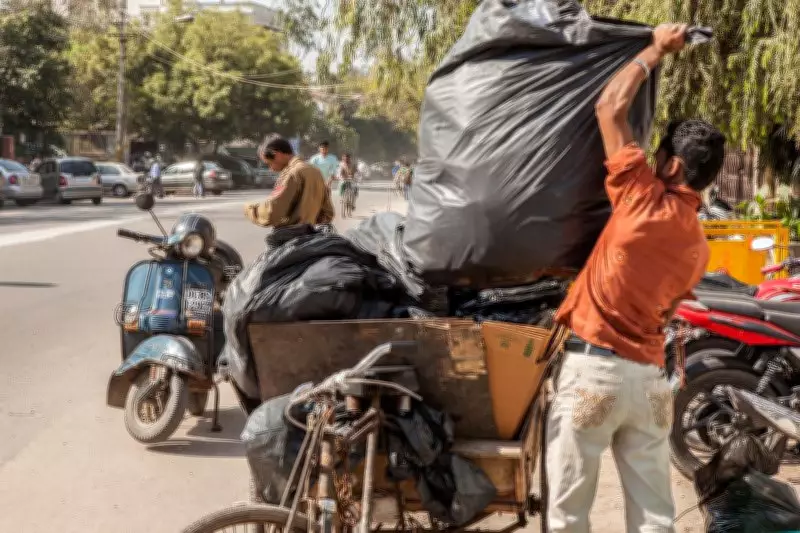
The move has drawn criticism from several resident groups and RWAs, who argue that citizens are already paying private garbage collectors due to irregular municipal services. Many residents claim they pay between Rs 50 and Rs 150 per month to private waste collectors because a consistent door-to-door collection mechanism is still absent in several localities. Critics describe the levy as a form of double payment, alleging that residents are being asked to pay an additional sanitation tax despite continuing gaps in civic services.
Background of Sanitation Crisis
The issue assumes significance against the backdrop of Gurugram's prolonged sanitation crisis. The city continues to grapple with the legacy waste burden at the Bandhwari landfill site, repeated complaints over uncollected garbage, dependence on multiple contractors for waste lifting, and recurring disputes over waste processing infrastructure. Over the years, residents across sectors and colonies have frequently raised concerns about overflowing garbage points, inconsistent collection schedules, and poor cleanliness standards.
Looking Ahead
With the sanitation charge now formally appearing in property tax bills, resident welfare associations are expected to seek greater accountability from civic authorities and demand visible improvements in garbage collection and cleanliness services across the city.