

Haryana Chief Minister Announces Intensive Sanitation Drive in Gurgaon
In a significant move to bolster urban cleanliness, Haryana Chief Minister Nayab Singh Saini has called for a special two-week sanitation drive in Gurgaon, set to commence on May 1. The initiative will be rigorously implemented across all areas under the Municipal Corporation of Gurgaon (MCG), aiming to enhance hygiene standards and foster community involvement.
Virtual Interaction with Urban Local Bodies
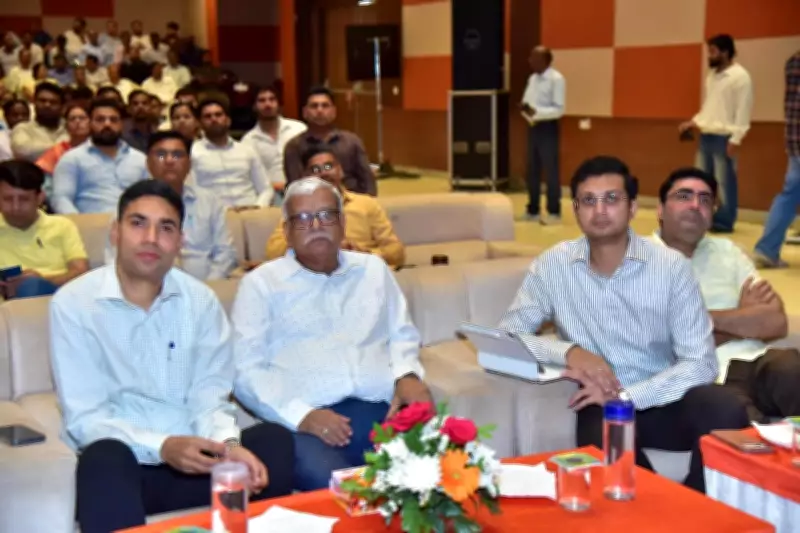
The announcement was made during a virtual interaction presided over by Gurgaon Mayor Raj Rani Malhotra at Gurugram University in Sector 51. The meeting brought together councillors, officials, and representatives from ward committees of urban local bodies across the state, including MCG and the municipalities of Sohna, Pataudi-Jatauli Mandi, and Farrukhnagar. Chief Minister Saini urged ward committees to "actively cooperate" in improving cleanliness, positioning them as frontline agents in waste collection, segregation, and public awareness efforts.
Role of Ward Committees in Sanitation Efforts
Mayor Raj Rani Malhotra emphasized the critical role of ward committees, describing them as a vital link between citizens and the civic body. "The campaign would involve active participation from ward committees at the grassroots level," she stated, highlighting their importance in ensuring the success of the cleanliness initiative. MCG Commissioner Pradeep Dahiya also underscored the committees' significance in strengthening sanitation monitoring and enhancing service delivery at the local level.

Officials noted that ward committees, established under the Haryana Municipality Citizen Participation Act of 2008, are increasingly being leveraged as a bridge between residents and the administration. These committees help identify local issues, monitor civic services, and ensure accountability in key areas such as sanitation, drainage, and road maintenance.
Enhancing Grassroots Development and Transparency
At the ward level, these committees not only pinpoint local problems but also foster active participation in resolving them. This approach strengthens development works at the grassroots level, making service delivery more transparent and effective. The broader push for urban sanitation and citizen participation aligns with the state government's efforts to improve urban living conditions through collaborative governance.
The sanitation drive represents a concerted effort to address cleanliness challenges in Gurgaon, with ward committees expected to play a pivotal role in driving change and promoting sustainable hygiene practices among residents.






