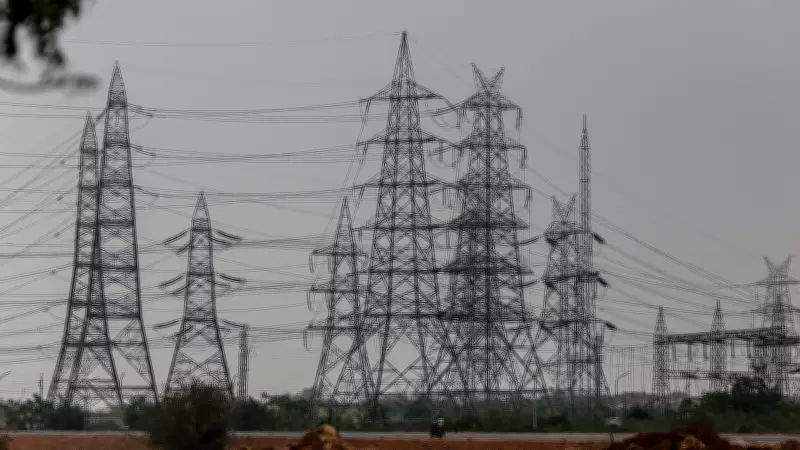
Karnataka has witnessed a significant spike in electricity consumption this April, driven by an unusual heatwave and a crisis in natural gas supply. The state's power usage has surged to record levels, putting immense pressure on the electricity grid and raising concerns about the ability to meet peak summer demand.
Heatwave Triggers Higher Power Demand
The month of April has seen temperatures soaring well above normal across Karnataka, prompting increased use of cooling appliances such as air conditioners and fans. This has led to a sharp rise in electricity consumption, particularly during the afternoon and evening hours. According to data from the Karnataka Power Corporation Limited (KPCL), the state's peak power demand has crossed 14,000 megawatts (MW), a new high for the month.
Gas Crisis Compounds the Problem
Compounding the situation is a shortage of natural gas, which has affected the operation of gas-based power plants in the state. These plants, which account for a significant portion of Karnataka's power generation capacity, have been forced to operate at reduced capacity due to the gas crunch. This has exacerbated the supply-demand gap, forcing the state to rely more heavily on other sources, including coal and renewable energy.

Impact on Power Infrastructure
The surge in demand has put the state's power infrastructure under strain. Transmission lines and transformers have been overloaded, leading to frequent breakdowns and power outages in some areas. The Karnataka Electricity Regulatory Commission (KERC) has urged consumers to use electricity judiciously and has directed power distribution companies to ensure uninterrupted supply to critical services such as hospitals and water supply systems.
Government Response
In response to the crisis, the Karnataka government has taken several measures. It has increased the allocation of coal to thermal power plants and is exploring the possibility of importing electricity from neighboring states. The government has also appealed to the central government for additional gas supplies and has requested that gas-based plants be given priority in allocation.
Future Outlook
With the summer season yet to peak, the situation is expected to remain challenging in the coming weeks. The state's power demand is projected to increase further, potentially reaching 15,000 MW. The government and power utilities are working to augment supply and manage demand through load shedding and public awareness campaigns. However, the long-term solution lies in diversifying the energy mix and investing in renewable energy sources to reduce dependence on gas and coal.