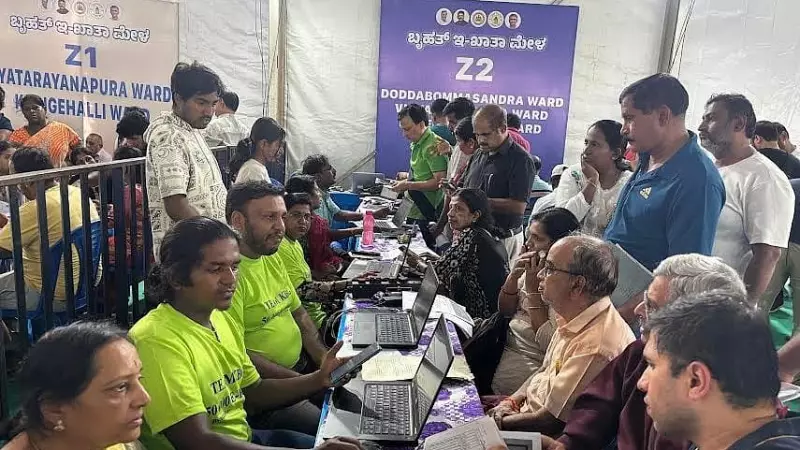
In a surprising development that has sent ripples through Bengaluru's administrative and judicial circles, several high-profile individuals, including a former chief secretary and sitting High Court judges, have had their applications for the digital property document, e-khata, rejected by the civic authorities.
Who is Affected by the e-Khata Rejections?
The rejections are not limited to ordinary citizens but have notably impacted some of the city's most prominent residents. Among those denied the crucial property document are a former chief secretary of Karnataka and multiple judges currently serving in the High Court. This highlights that the issues plaguing the e-khata system are widespread and affect even those with considerable influence and presumably clear property titles.
The e-khata system, implemented by the Bruhat Bengaluru Mahanagara Palike (BBMP), is intended to digitize property records, streamline transactions, and reduce corruption. However, the recent spate of rejections, especially involving such distinguished applicants, has raised serious questions about the process's transparency and efficiency.

GBA Steps In to Form a Review Team
In response to the growing concern and to maintain public trust in the system, the GBA (Grievance Redressal Body or relevant authority, as implied by context) has taken a proactive step. On December 24, 2025, the GBA announced the formation of a dedicated review team. The sole purpose of this team is to meticulously examine all applications that have been rejected for e-khata.
This team will conduct a thorough audit to determine whether the rejections were issued for legitimate, legally sound reasons or if they resulted from procedural errors, technical glitches, or other discrepancies. This move is seen as a crucial measure to ensure fairness and accountability in the digitization drive of Bengaluru's property records.
Implications and the Path Forward
The situation underscores a significant challenge in Bengaluru's urban governance. When individuals at the highest echelons of the state's bureaucracy and judiciary face hurdles in obtaining a basic property document, it points to systemic issues that could be far more severe for the common citizen. It brings into focus the potential for delays in property sales, disputes, and a lack of clear ownership titles.
The formation of the review team is a positive step towards rectification. Its findings will be closely watched, as they could lead to:
- Revised guidelines for the e-khata application process.
- Identification of common errors leading to rejections.
- Potential reinstatement of wrongly rejected applications.
- Greater public confidence in the BBMP's digital initiatives.
The incident, reported on December 24, 2025, serves as a stark reminder that the success of digital governance projects depends not just on technology but on robust, fair, and transparent implementation. All eyes are now on the GBA's review team to bring clarity to this contentious issue.