Himachal Pradesh SDM Faces Social Media Storm Over Product Promotion
The rise of social media has transformed ordinary individuals into digital celebrities, but this phenomenon presents unique challenges for government officials navigating the blurred lines between public duty and personal branding. As platforms like Instagram and X become integral to modern communication, civil servants increasingly find themselves balancing official responsibilities with the allure of viral content and influencer status.
The Oshin Sharma Controversy: When Official Duties Clash with Online Presence
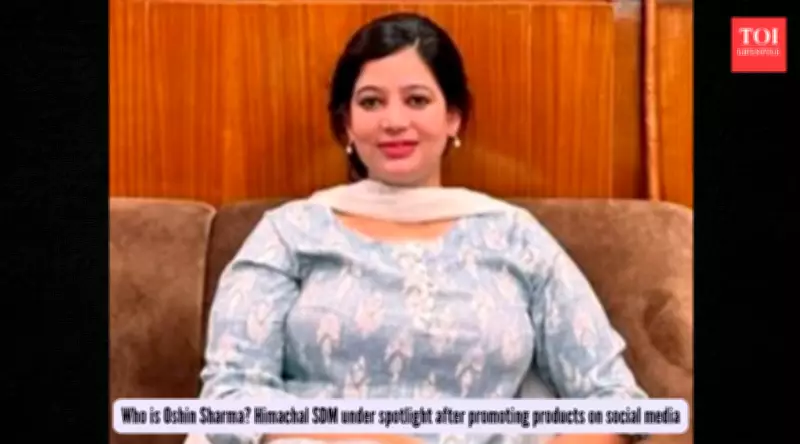
Oshin Sharma, a 32-year-old Sub-Divisional Magistrate (SDM) in Himachal Pradesh, recently found herself at the center of a social media firestorm. The 2020-batch Himachal Pradesh Administrative Service officer, who served as Shimla's urban SDM, faced intense criticism for posting content that appeared to promote private products while holding a government position.
Sharma, who had amassed a substantial following across multiple platforms including 3.74 lakh Instagram followers, 3.71 lakh Facebook followers, over 1 lakh X followers, and 65,000 YouTube subscribers, shared an unboxing video featuring nutritional supplements and protein bars targeted at fitness enthusiasts. The content quickly drew scrutiny from online users who questioned the appropriateness of a salaried government employee endorsing commercial products.

Legal and Ethical Questions Surface
The backlash intensified as social media users referenced Civil Services Conduct Rules 15(1), which explicitly prohibit government officials from engaging in any trade or business without proper authorization. This regulation exists to prevent conflicts of interest and maintain public trust in government institutions.
In response to the growing controversy, Sharma deactivated all her social media accounts on Saturday. While senior officials confirmed that a notice had been issued regarding the promotional content, Sharma presented a different narrative to The Indian Express, stating, "I deactivated my social media accounts as my seniors conveyed to me to take down some of the content, which somehow falls in the category of promotion of private brands."
She further clarified, "I have deactivated my social media accounts for the time being. No notice has been served to me," while acknowledging that she removed the content following senior officials' concerns about posts "not in the public interest."
Administrative Response and Investigation
The matter eventually reached Chief Secretary Sanjay Gupta through media reports and formal complaints. Gupta directed Shimla Deputy Commissioner Anupam Kashyap to investigate the situation thoroughly. According to sources familiar with the discussions, Kashyap subsequently instructed Sharma to refrain from any similar activities in the future.
Sharma maintained that her intentions were not commercial, explaining, "I didn't have the intention to promote these products in any way, especially commercially." However, the incident has sparked broader conversations about where official responsibility ends and personal promotion begins for government employees with substantial online followings.
Previous Controversy and Transfer
This is not Sharma's first encounter with controversy related to social media use. In September 2024, while serving as Sandhol tehsildar in Mandi district, she was transferred without a specific posting amid allegations of neglecting official duties in favor of social media activities. This pattern highlights the ongoing tension between government service requirements and the temptations of digital influence.
Broader Implications for Government Officials
The Sharma case underscores significant questions facing modern bureaucracy:

- How should government officials navigate social media platforms that blur personal and professional boundaries?
- What constitutes appropriate online behavior for civil servants with large followings?
- How can conduct rules designed for traditional government service adapt to digital realities?
- Where should the line be drawn between public engagement and personal promotion?
As social media continues to reshape communication norms, government departments nationwide may need to develop clearer guidelines for officials' online presence. The balance between maintaining public trust and allowing reasonable personal expression remains a complex challenge requiring thoughtful policy development and consistent enforcement.
The incident serves as a cautionary tale for other government employees building substantial social media followings, reminding them that traditional conduct rules still apply in digital spaces, and that public scrutiny intensifies when official positions intersect with commercial endorsements.