Hubballi-Dharwad Municipal Corporation Proposes Water Bill Amnesty Scheme
The Hubballi-Dharwad Municipal Corporation (HDMC) is actively considering the implementation of a one-time settlement (OTS) scheme to address the massive backlog of unpaid water bills across the twin cities. This initiative aims to provide relief to defaulters while helping the municipal body recover substantial outstanding dues that have accumulated over the years.
Mounting Financial Challenge for HDMC
Sources within the corporation reveal that HDMC is grappling with a significant financial challenge due to the ever-increasing list of pending water bills. Despite numerous recovery efforts, including issuing formal notices to defaulters, many citizens have adopted a don't-care attitude, leading to strained interactions between municipal staff and residents. In some cases, attempts to disconnect water supplies for non-payment have sparked heated arguments, further complicating the recovery process.
Criticism has also been directed at the authorities for raising water tariffs without corresponding improvements in the water supply infrastructure. This has fueled resentment among residents who feel they are paying more for inconsistent services.

Mayor's Push for OTS Implementation
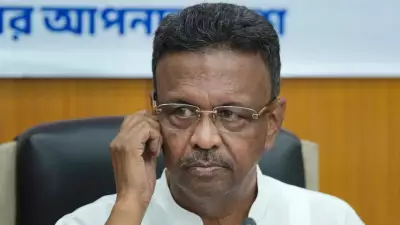
Mayor Jyothi Patil has taken a proactive step by writing a formal letter to HDMC Commissioner Rudresh Ghali, urging him to pursue the OTS scheme. In her correspondence, the mayor highlighted that a resolution was passed during the general body meeting on January 31, advocating for the adoption of a scheme similar to the one introduced by the Bruhat Bengaluru Mahanagara Palike (BBMP).
The proposed scheme would waive all accrued interest, allowing defaulters to settle their dues by paying only the principal amount. Mayor Patil has specifically requested the commissioner to draft and submit a formal proposal to the state government, seeking approval to extend this beneficial scheme to Hubballi-Dharwad.
Staggering Pending Dues and Recovery Efforts
Commissioner Rudresh Ghali confirmed the severity of the situation in discussions with media outlets. He disclosed that the total pending water bill amount has ballooned to an alarming Rs 324 crore. Of this staggering sum, approximately Rs 124 crore represents interest that has accumulated over recent years, with the remaining Rs 200 crore constituting the principal dues.
The breakdown of these dues is particularly revealing: domestic users alone owe around Rs 174 crore, while commercial complexes and government departments account for the remainder. Despite exhaustive measures such as serving notices and conducting meetings, recovery efforts have largely fallen short, with many entities failing to cooperate.
Commissioner Ghali acknowledged the discussions around the OTS scheme during the last general body meeting and assured that he would review the mayor's letter carefully. He committed to taking appropriate steps to forward a proposal to the state government, aiming to secure the necessary approvals for implementation.
Community Support and Calls for Systemic Improvements
Social worker Chintan Hattikal has welcomed the potential introduction of the OTS scheme, emphasizing its importance for poor and middle-class families who are struggling with financial burdens. However, he also stressed that the authorities must concurrently address the underlying issues with the water supply system.
Many areas in Hubballi-Dharwad continue to experience irregular water supply, causing significant worry among residents. Hattikal urged the municipal corporation to prioritize resolving these service delivery gaps as swiftly as possible, ensuring that citizens receive reliable water access in exchange for their payments.
The proposed OTS scheme represents a critical opportunity for HDMC to clear long-standing dues while offering much-needed relief to defaulters. If approved by the state government, it could mark a turning point in the financial management and public service delivery of the twin cities.