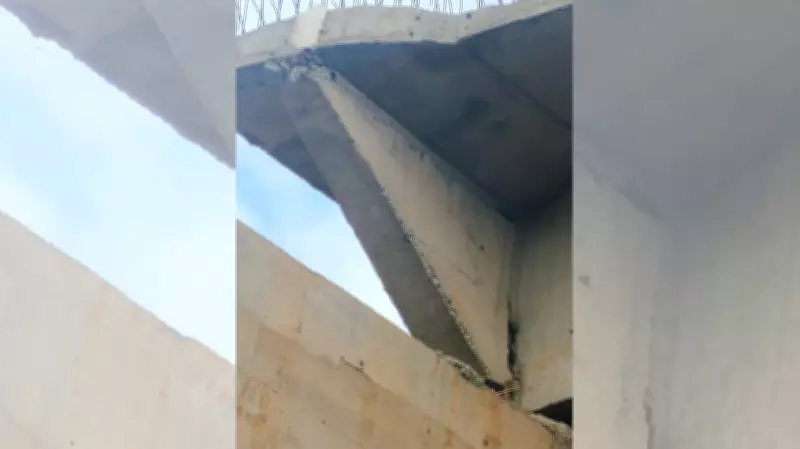
A team of engineers from the Indian Concrete Institute (ICI) Hubballi-Dharwad Centre has raised serious concerns over quality issues in the construction of the Chennamma Circle flyover in Hubballi. During a site visit, the experts observed that steel reinforcement bars were left exposed to rain and wind, which could lead to rusting and loss of structural strength.
Exposed steel poses strength risks
The engineers noted that the steel should not be exposed to the elements for more than two months, as prolonged exposure can cause rusting and significantly reduce its load-bearing capacity. According to the team, even steel traders typically avoid storing material for more than six months due to degradation risks. The exposed condition at the flyover site, they warned, could compromise the structure's durability.
ICI team inspection findings
The visit was conducted by a team of structural experts from the ICI Hubballi-Dharwad Centre, who inspected the ongoing work at Chennamma Circle. They pointed out that proper covering and timely concreting are essential to protect the reinforcement. The engineers also highlighted the need for stricter quality control measures to prevent long-term damage.

“The steel should not be left uncovered for extended periods. Rusting can reduce the bond between steel and concrete, affecting the overall strength of the flyover,” said a member of the ICI team. The experts urged the authorities to take corrective action immediately to avoid future structural issues.
Call for remedial measures
The ICI team recommended that the construction agency cover the exposed steel with protective material and expedite the concreting process. They also suggested regular monitoring to ensure compliance with standard construction practices. The flyover, once completed, is expected to ease traffic congestion at one of Hubballi's busiest intersections.
Local residents have also expressed concern over the pace and quality of construction. The Hubballi-Dharwad Municipal Corporation (HDMC) has yet to issue an official response to the ICI's observations. However, the experts have made it clear that timely intervention is critical to prevent costly repairs or safety hazards in the future.