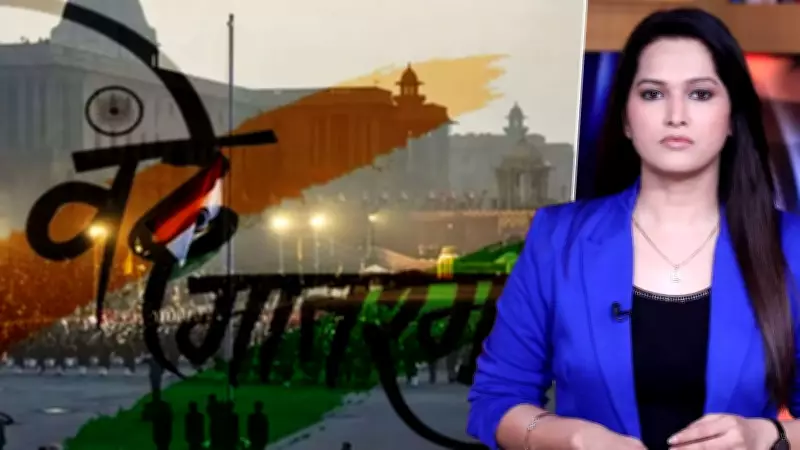
India's New Directive: Full Vande Mataram Must Precede National Anthem at All Official Events
The Union Home Ministry has issued a sweeping new directive that fundamentally alters the ceremonial protocol for official events across India. According to the mandate, the national song Vande Mataram must now be played in its entirety before the national anthem Jana Gana Mana at all government functions. This represents a significant shift from previous practices where the song was often abbreviated or omitted.
Reinstating the Complete Six Stanzas
Unlike the truncated versions commonly used in recent decades, the new guidelines require that all six stanzas of Vande Mataram be performed. This move effectively reinstates sections of the song that were excluded over concerns regarding religious references, which some groups found contentious. The decision aims to restore the song's original form as written by Bankim Chandra Chatterjee in 1875, which later became a powerful rallying cry during India's freedom movement.
Scope and Application of the New Rules
The directive applies broadly to a wide range of official settings, ensuring uniformity in ceremonial practices nationwide. Key venues and events affected include:

- All government ceremonies and functions
- School assemblies and educational institutions
- Presidential events and state functions
- Padma awards ceremonies and other national honors
Additionally, the guidelines specify that standing will be mandatory during the rendition of Vande Mataram, except in cinema halls where practical considerations may apply. This places the national song on similar ceremonial footing as the national anthem in terms of public decorum.
Potential Legal Protection and Political Reactions
The government has indicated that Vande Mataram may receive formal legal protection under the National Honour Act, similar to the safeguards currently afforded to Jana Gana Mana. This would provide statutory backing against disrespect or improper use of the national song, elevating its status in India's symbolic hierarchy.
The decision has already triggered sharp political reactions across the spectrum. The ruling Bharatiya Janata Party (BJP) has welcomed the move as a necessary correction of historical dilution, arguing that it honors India's cultural heritage and freedom struggle legacy. In contrast, the opposition Congress party has expressed concern that the directive risks politicizing a cultural symbol, potentially dividing rather than uniting citizens.
Historical Context and National Significance
Vande Mataram holds deep historical significance in India's national consciousness. Originally composed as part of Chatterjee's novel Anandamath, the song emerged as a potent symbol of resistance against British colonial rule. Its evocative imagery and emotional appeal made it a favorite among independence activists, though its later association with Hindu nationalism created controversies that led to the exclusion of certain stanzas in public renditions.
The new directive ensures that Vande Mataram now takes center stage in India's official ceremonial order, preceding the national anthem at all designated events. This represents not just a procedural change but a symbolic reaffirmation of the song's place in the nation's identity narrative.
As implementation begins, educational institutions and government bodies nationwide are expected to adjust their protocols accordingly. The move will likely influence how future generations experience and perceive these national symbols, embedding the complete Vande Mataram into the ritual fabric of Indian public life.