The Indian government has issued a directive to fuel companies to establish a 30-day strategic reserve of liquefied petroleum gas (LPG) in response to ongoing disruptions in the Strait of Hormuz. This move aims to bolster the nation's energy security and ensure uninterrupted supply of cooking gas to households.
Background of the Decision
The Strait of Hormuz, a critical chokepoint for global oil and gas shipments, has witnessed heightened tensions recently, leading to concerns over supply stability. India, which imports a significant portion of its LPG requirements, is particularly vulnerable to such disruptions. The directive comes as a proactive measure to safeguard against potential shortages.
Details of the Directive
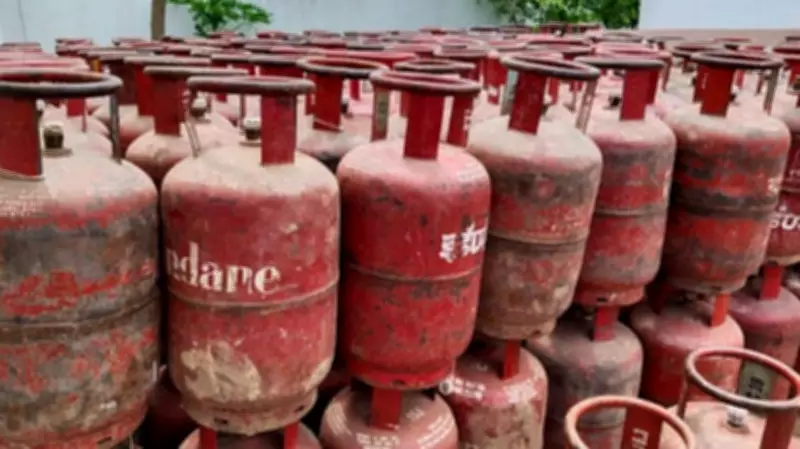
Under the new order, state-owned and private fuel retailers must build up reserves equivalent to 30 days of LPG consumption. This will involve increasing storage capacity and optimizing supply chains. The Ministry of Petroleum and Natural Gas has set a timeline for implementation, with regular monitoring to ensure compliance.

Industry experts have welcomed the move, noting that it will provide a buffer against price volatility and supply chain interruptions. However, they also highlight the need for infrastructure upgrades to accommodate the additional storage.
Impact on Consumers
For the average Indian household, this initiative is expected to stabilize LPG prices and availability. Currently, India relies on imports for over 50% of its LPG needs, with major suppliers including Saudi Arabia, Qatar, and the UAE. Any disruption in the Strait of Hormuz could have a direct impact on domestic supplies.
Strategic Importance
The reserve will also enhance India's energy independence and reduce its exposure to geopolitical risks. This aligns with the government's broader strategy to strengthen the country's energy infrastructure and diversify import sources.
In addition to LPG, the government is exploring similar reserves for other critical fuels to further insulate the economy from external shocks. The success of this initiative will depend on efficient coordination between government agencies and fuel companies.
Conclusion
The decision to build 30-day LPG strategic reserves underscores India's commitment to energy security. While challenges remain in implementation, the move is a significant step toward mitigating risks associated with global supply disruptions. Consumers can expect more stable supplies and prices in the long run.