

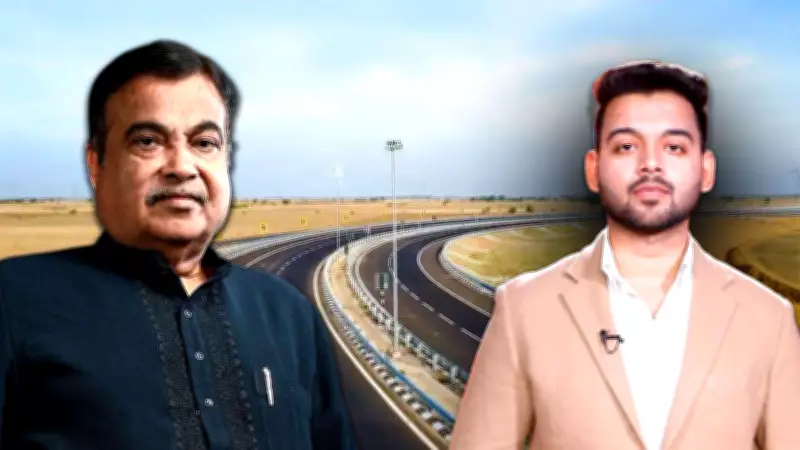
India is planning to monetise 28 national highway assets covering over 1,800 kilometres in the financial year 2026-27 (FY27) to generate approximately Rs 35,000 crore. The National Highways Authority of India (NHAI) has identified highway stretches primarily in Haryana and Uttar Pradesh for monetisation through models such as Infrastructure Investment Trusts (InvITs) and the Toll-Operate-Transfer (TOT) mechanism.
Objectives of the Monetisation Drive
The government has stated that this initiative will help generate immediate funds for constructing new highways and infrastructure projects across the country. By leveraging existing road assets, NHAI aims to unlock capital that can be reinvested into expanding and upgrading the national highway network.
National Monetisation Pipeline 2.0
Under the National Monetisation Pipeline 2.0, the highway sector is expected to generate over Rs 4.4 lakh crore between FY26 and FY30. This ambitious programme outlines a structured approach to monetise public infrastructure assets, with the highway sector playing a pivotal role in meeting the target.

The selection of assets in Haryana and Uttar Pradesh is strategic, given the high traffic density and economic activity in these states. The InvIT and TOT models are expected to attract long-term investors such as pension funds and sovereign wealth funds, providing stable returns through toll revenue.
This monetisation drive is part of a broader government strategy to reduce fiscal pressure while accelerating infrastructure development. The funds raised will be used to finance new projects under the Bharatmala Pariyojana and other highway development programmes.






