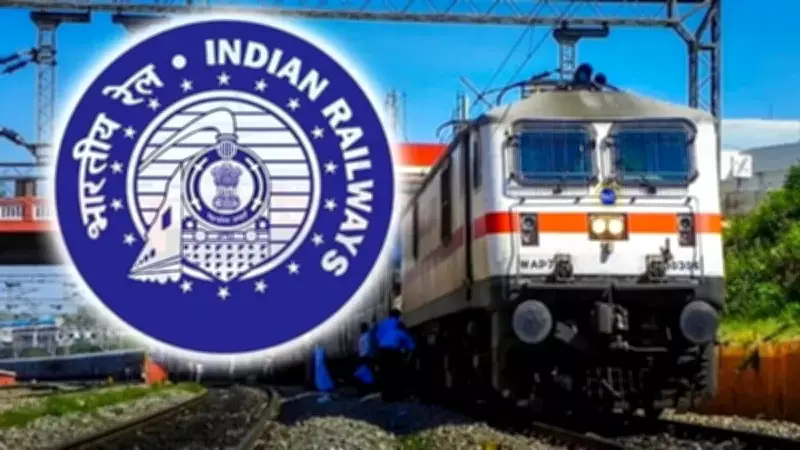
In a major push to enhance rail travel efficiency, Indian Railways has unveiled an ambitious plan to significantly increase the speed of its mail and express train services. The national transporter aims to upgrade approximately 400 mail and express trains to operate at a maximum speed of 130 kilometers per hour by the year 2026. This initiative is part of a broader strategy to modernize the country's railway infrastructure and reduce travel times on key routes.
Key Details of the Speed Enhancement Project
According to official sources, the Railway Board has identified specific corridors where track improvements and signaling upgrades will be implemented to support the higher speeds. The project involves extensive work on track geometry, including the replacement of old rails, improvement of curves, and installation of advanced signaling systems such as the Train Collision Avoidance System (TCAS). These measures are expected to ensure safety while allowing trains to run at the enhanced speed of 130 kmph.
Selection of Routes and Trains
The selection of the 400 trains is based on factors such as passenger demand, existing infrastructure capability, and the potential for time savings. Priority will be given to routes that already have good track conditions and where the upgrade can be completed with minimal disruption. Among the corridors being considered are the Delhi-Mumbai, Delhi-Howrah, and Chennai-Bengaluru routes, which are among the busiest in the network.

Implementation Phases
The project will be executed in phases. The first phase, expected to be completed by 2024, will see around 100 trains upgraded to 130 kmph. The remaining 300 trains will be progressively upgraded over the next two years, with full implementation targeted by 2026. This phased approach allows for systematic testing and validation of safety protocols.
Benefits for Passengers
Once implemented, the speed upgrade is expected to reduce travel times on key routes by 15-20%. For instance, the journey between Delhi and Mumbai could be shortened by approximately two hours. Passengers will also experience smoother rides due to improved track conditions. Additionally, the increased speed will enhance the efficiency of mail and express services, making them more competitive with other modes of transport.
Safety Measures
Safety remains a top priority. The Railways will deploy the Kavach automatic train protection system on these high-speed corridors. Kavach helps prevent collisions and overspeeding by automatically applying brakes if the driver fails to respond to signals. Comprehensive training programs for loco pilots and guards are also being conducted to ensure they are well-versed with the new operational parameters.
Impact on Railway Operations
The speed upgrade will also improve the overall utilization of railway assets. Faster trains mean quicker turnaround times, allowing more trains to operate on the same track. This could potentially increase the capacity of the rail network without requiring new tracks. The move is also expected to boost freight operations, as the upgraded infrastructure can accommodate higher speeds for cargo trains as well.
Challenges and Way Forward
Despite the benefits, the project faces challenges such as the need for significant investment, coordination with state governments for land acquisition, and managing construction work without disrupting existing services. However, the Railway Ministry has expressed confidence in meeting the 2026 deadline, citing successful precedents like the Gatimaan Express, which runs at 160 kmph on select sections. With sustained focus and resources, Indian Railways is poised to usher in a new era of faster and more efficient train travel.