Centre Revises IPS Empanelment Guidelines to Address Officer Shortage
In a significant policy shift aimed at strengthening central security apparatus, the Government of India has introduced crucial amendments to the empanelment guidelines for Indian Police Service (IPS) officers. The revised norms now mandate a minimum two-year central deputation experience at the Superintendent of Police (SP) or Deputy Inspector General (DIG) level as a prerequisite for consideration for empanelment as Inspector General (IG) or equivalent positions at the Centre.
Addressing Persistent Shortages in Central Security Forces
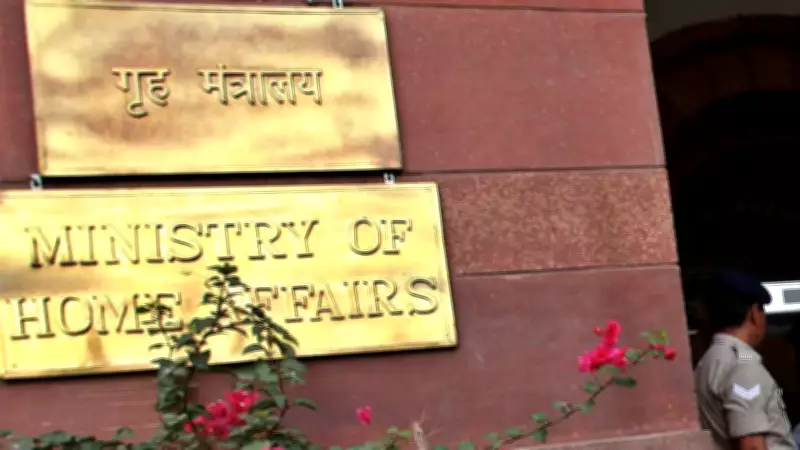
The Ministry of Home Affairs (MHA) communicated these changes to all states and Union Territories through an official communication dated January 28, 2026. This strategic move primarily targets the persistent shortage of officers at critical SP and DIG ranks within the Central Armed Police Forces (CAPFs), various central police organizations, and other key security-related positions that fall under the central government's purview.
According to senior government officials familiar with the matter, the Centre has been grappling with this staffing challenge for several years. "Many IPS officers prefer to remain in their respective states where they hold district and range-level postings that come with significant field responsibilities and operational autonomy," explained one official who spoke on condition of anonymity.

New Requirements for 2011 Batch Onwards
The amended guidelines specifically apply to officers belonging to the 2011 IPS batch and subsequent batches. The MHA's communication clearly states: "Minimum two years of Central experience at SP/DIG or equivalent level shall be mandatory for empanelment of IPS officers at IG/equivalent level at the Centre from 2011 batch onwards."
This represents a fundamental change from previous norms that did not explicitly require such central deputation experience for empanelment consideration. The policy effectively creates a structured pathway for officers to gain valuable central government exposure during the middle stages of their careers.
Creating Incentives for Central Deputation
Government officials view this amendment as both an incentive mechanism and a strategic compulsion. "By linking future empanelment as Inspector General at the Centre with a mandatory two-year central stint at SP or DIG rank, we are creating a compelling reason for officers to seek central deputation earlier in their service tenure," noted another official involved in the policy formulation.
The revised guidelines aim to address multiple objectives simultaneously:
- Ensuring adequate officer strength in central security organizations
- Providing IPS officers with broader administrative experience
- Creating a more balanced distribution of talent between state and central postings
- Strengthening the leadership pipeline for critical security positions
Broader Context of Administrative Reforms
This amendment to IPS empanelment guidelines follows closely on the heels of another significant administrative reform announced just last week. The central government recently revised the cadre allocation policy for all three All-India Services – the Indian Administrative Service (IAS), IPS, and Indian Forest Service (IFoS).
That reform introduced a new grouping structure that replaces the earlier zonal arrangement for allocating cadres to successful candidates of the civil services examination. Together, these changes represent a comprehensive approach to addressing systemic challenges in India's administrative services and ensuring optimal deployment of human resources across various government functions.
The amended IPS empanelment guidelines are expected to have far-reaching implications for career planning among police officers and will likely influence how state governments manage their cadre of IPS officers in the coming years.