

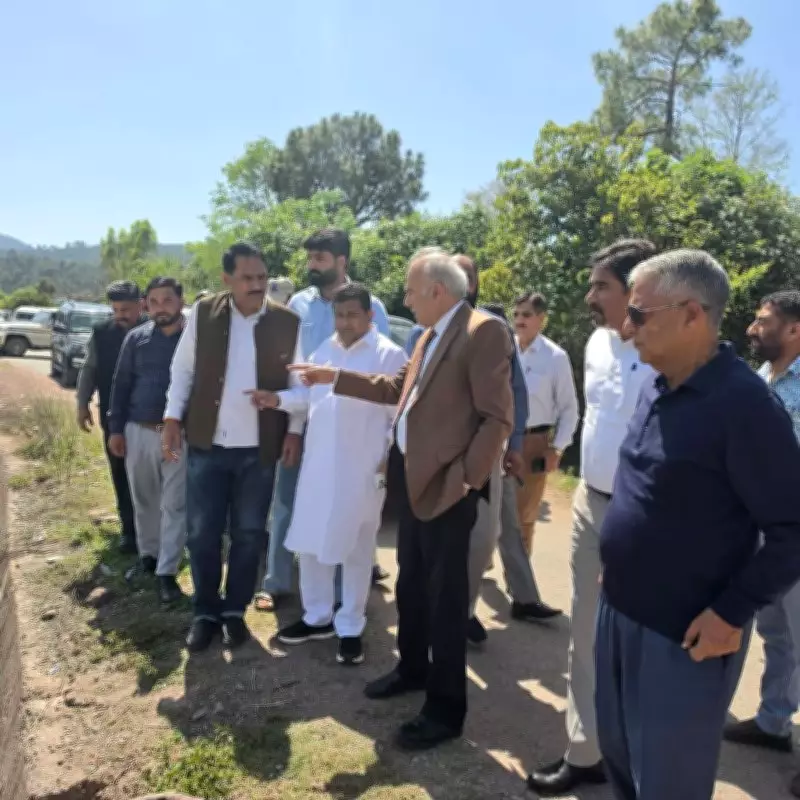
House Committee Exposes Irregularities in Tap Water Scheme Implementation
A House Committee in Jammu and Kashmir has raised serious concerns after uncovering irregularities in the execution of a tap water scheme during an inspection visit to the Rajouri and Poonch districts. The committee, tasked with overseeing public welfare projects, identified multiple lapses that have compromised the effectiveness of the scheme, which aims to provide clean drinking water to residents in these remote areas.
Key Findings from the Rajouri-Poonch Inspection
During the visit, the House Committee observed several critical issues. First, there were discrepancies in the installation of water supply infrastructure, with reports of incomplete pipelines and non-functional taps in many villages. Second, the committee noted a lack of proper maintenance, leading to water contamination and supply disruptions that have affected daily life for local communities. These findings highlight systemic failures in project management and oversight, raising questions about the allocation and utilization of funds intended for rural development.
Implications for Governance and Public Welfare
The irregularities flagged by the committee have broader implications for governance in Jammu and Kashmir. They point to potential mismanagement and accountability gaps in the implementation of government schemes, which are crucial for improving living standards in underserved regions. The committee has emphasized the need for immediate corrective actions, including a thorough audit of the tap water scheme and stricter monitoring mechanisms to prevent future lapses. This situation underscores the importance of transparent and efficient public service delivery, especially in areas like Rajouri and Poonch that face geographical and infrastructural challenges.

Recommendations and Next Steps
In response to the findings, the House Committee has proposed several measures to address the irregularities.
- Conduct a comprehensive review of all ongoing water supply projects in the region.
- Enhance coordination between local authorities and central agencies to ensure timely completion and maintenance.
- Implement regular inspections and public feedback mechanisms to improve accountability.






