Jaipur Development Authority Implements Comprehensive Parking Policy and Traffic Management Reforms
The Traffic Control Board of the Jaipur Development Authority (JDA) convened on Wednesday and made significant decisions aimed at addressing the city's growing parking and traffic challenges. Under the leadership of JDA Commissioner Siddharth Mahajan, the board approved the development of a specialized parking policy specifically tailored for Jaipur.
Key Decisions on Parking Management
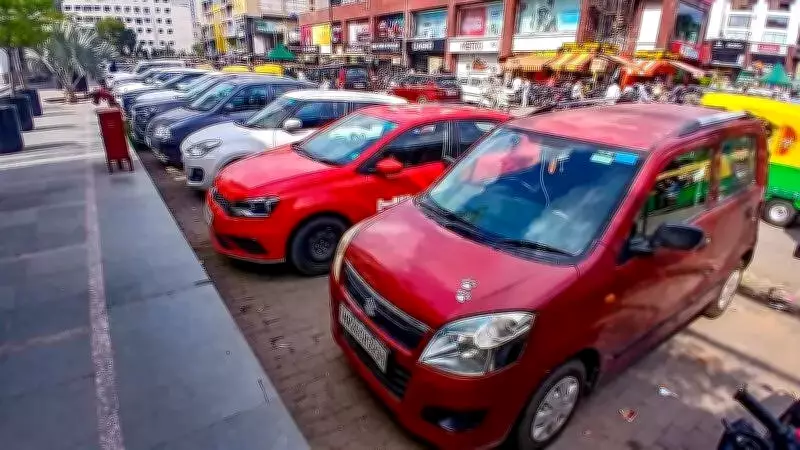
One of the primary resolutions involved instructing the Jaipur Municipal Corporation (JMC) to implement increased parking rates during peak hours. This measure is designed to discourage unnecessary vehicle usage and optimize existing parking infrastructure. The board also mandated a thorough examination of approved building maps in the Gaurav Tower (GT) area and 84 other identified locations to systematically address parking deficiencies.
To enhance safety and accessibility, civic bodies have been directed to develop dedicated corridors for pedestrians and two-wheelers within parking areas. Furthermore, both JDA and JMC have received strict instructions to remove all encroachments from parking spaces that are reserved for commercial buildings, ensuring these facilities are used as intended.

Addressing Private Bus Parking and Development Planning
Recognizing the specific challenges faced by private bus operators, the board formulated a plan to identify vacant plots across the city. These plots will be made available at reasonable rates to provide designated parking, with a clear emphasis on reducing on-street parking that contributes to congestion.
The meeting established a fundamental principle that no development work related to city traffic will be undertaken haphazardly. To ensure professional and effective planning, JDA officials have been instructed to engage the services of qualified traffic experts. Additionally, officials will visit other major cities across the country to study and learn from successful traffic management models.
Structural Reforms and Infrastructure Focus
For more efficient governance, the board decided to form administrative and technical sub-committees. These committees will meet in smaller groups to facilitate detailed discussions on specific issues and will present their comprehensive reports at the next board meeting.
A visionary instruction was issued to plan the development of city roads not merely as transportation routes, but as integrated urban systems and corridors. This holistic approach will involve strategic road widening, junction improvements, and concurrent beautification projects to enhance the city's aesthetic and functional appeal.
Specific Area Analysis and Regulatory Enforcement
Officials confirmed that the meeting included an analysis of traffic congestion on Mahal Road. A specific proposal was put forward to develop a U-turn facility under the Sanganer flyover. The design for this facility will be meticulously finalized by traffic engineering experts to ensure safety and efficiency.
In a move to strengthen regulatory compliance, the board addressed parking norms for marriage gardens approved by the JMC. It is now mandated that the 25% of land reserved for parking in such venues must be used solely for parking purposes, with no alternative usage permitted. Furthermore, a comprehensive survey of other commercial establishments and hotels will be conducted to enforce the rule that parking occurs only in officially designated areas.
These collective measures represent a multi-faceted strategy by the Jaipur Development Authority to create a more organized, efficient, and sustainable urban mobility framework for the historic city.