

Jaipur's 2055 Mobility Plan Faces Scrutiny Over Master Plan Alignment
Jaipur's Comprehensive Mobility Plan (CMP) 2055 has come under intense scrutiny from a section of government town planners, just days after concerns were raised over the city's Master Plan 2047. Officials and planners have flagged what they describe as major gaps in the draft CMP, particularly its reliance on the area covered under the older Master Plan 2025 instead of the proposed Master Plan 2047.
Geographical Mismatch Raises Infrastructure Concerns
All the bus and metro corridors and infrastructure projects proposed in the CMP 2055 cover areas under Master Plan 2025, according to a senior town planner from the Urban Development and Housing (UDH) department. The Jaipur Development Authority (JDA) has already notified plans to double its area and adopt a Master Plan by 2027 for 2047. However, in the CMP, there are hardly any proposals related to infrastructure in areas that would be added under the Master Plan 2047.
Experts note that the CMP is effectively an extension of the master plan, with a detailed focus on transport systems and related infrastructure. This has prompted some planners to question how the same agency can prepare two plans based on different geographical boundaries, potentially leading to disjointed urban development.

Extended Timeline and Viability Issues Questioned
Transport planners and experts have also objected to the decision to frame the CMP for 30 years instead of the usual 20-year period. They allege that the longer timeline may have been chosen to make major infrastructure proposals, including metro corridors, appear more viable. It is considered that a metro corridor is viable if a feasibility report assesses that it can handle 15,000 peak hour peak direction traffic (PHPDT), explained another town planner. The estimated PHPDT for the Tonk Road corridor—considered the most viable—is around 11,000 PHPDT in 30 years, raising doubts about the condition of other proposed infrastructure.
Proposed Special Purpose Vehicle Sparks Further Debate
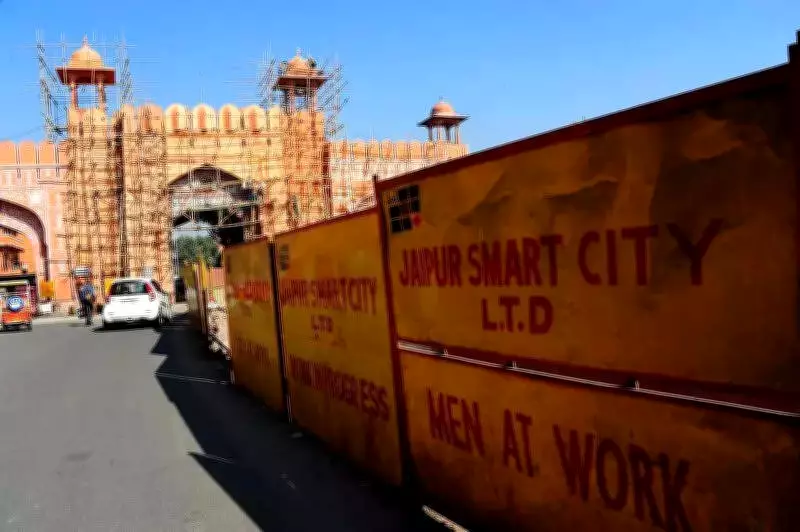
Some UDH department officials have raised additional concerns over the state government's proposal to create a Special Purpose Vehicle (SPV), modeled on the Smart City initiative, to implement CMP projects. The decision means the formation of one more agency to interfere with the city's transport infrastructure, another official stated, suggesting it could complicate governance and efficiency.
This scrutiny highlights broader issues in urban planning, where alignment between long-term mobility strategies and master plans is crucial for sustainable development. As Jaipur grows, ensuring cohesive and forward-looking infrastructure becomes increasingly vital to avoid future bottlenecks and inefficiencies.






