Jaipur's Waste Segregation Plan Faces Implementation Challenges Ahead of New Rules
With new solid waste management regulations scheduled to take effect in April, the Jaipur Municipal Corporation is actively preparing to implement a comprehensive four-way segregation system at the source. However, significant operational gaps in the existing waste management infrastructure threaten to undermine this ambitious initiative before it even begins.
Current System Struggles with Basic Segregation
The city's waste management framework remains far from prepared for the upcoming changes, with even fundamental wet and dry waste separation yet to be fully operationalized across all areas. Despite awareness campaigns urging households and commercial establishments to maintain separate bins for different waste categories, residents in multiple neighborhoods report that segregated waste is frequently mixed together during the collection process.
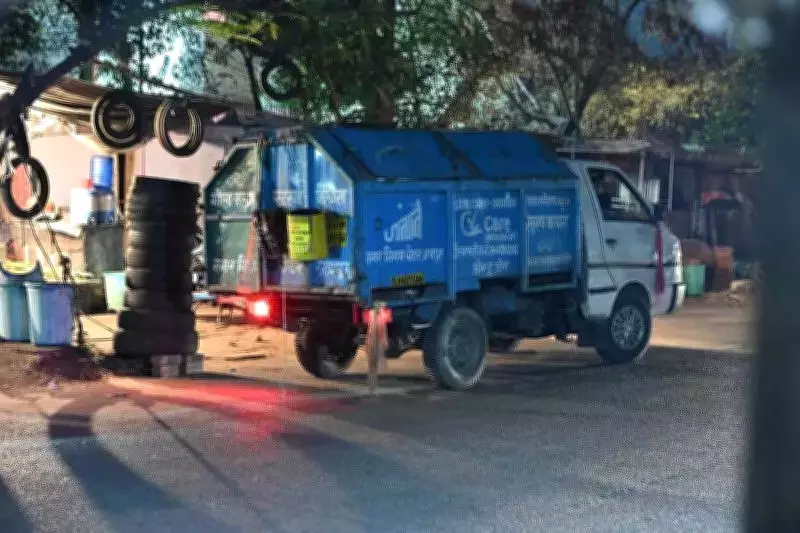
Collection workers accompanying garbage hoppers have been observed dumping all waste categories together, effectively nullifying the purpose of segregation efforts at the household level. This breakdown in the waste management chain represents a critical obstacle to implementing more sophisticated four-bin systems.

Transfer Stations Become Sources of Community Distress
The mechanized transfer stations at Jhalana and along Delhi Road, originally envisioned as modern waste-handling facilities, have instead become significant sources of community concern. These facilities, intended to streamline waste processing, have been plagued by garbage accumulation, processing delays, and resulting environmental issues.
"The stench is unbearable, especially in the mornings and evenings," reported Rajesh Meena, a local resident. "We have raised complaints several times, but nothing has changed."
Business owners in the vicinity have experienced direct economic impacts from the waste management problems. Mukesh Saini, who operates a shop near one of the transfer stations, explained, "Customers do not want to stay because of the smell. Business has been affected ever since the transfer station came up."
Health Concerns Mount in Affected Areas
The accumulation of wet waste at transfer stations has created additional public health challenges, including increased mosquito breeding that raises disease transmission risks. Residents express particular concern for vulnerable populations, including children and elderly community members.
"We are worried about the children," said Shakti Devi, another area resident. "The mosquito problem is getting worse, and there is always a fear of illness."
Jaipur generates substantial daily waste volumes, but scientific segregation and disposal mechanisms remain limited in scope and effectiveness. In numerous municipal wards, door-to-door collection services operate irregularly, while infrastructure capable of handling multiple waste streams continues to develop at a slow pace.
Municipal Response and Future Preparations
JMC deputy commissioner-I Health, Om Thanvi, acknowledged the challenges while outlining ongoing preparations. "Preparations are underway to implement the new rules," Thanvi stated. "Efforts are also being made to further improve the mechanized transfer stations at Jhalana and Delhi Road."
Despite these assurances, the gap between policy objectives and practical implementation remains substantial. Weak collection systems and overburdened transfer stations present formidable obstacles that could potentially derail the planned rollout of the four-bin segregation system.
The coming months will prove critical for Jaipur's waste management transformation, as municipal authorities work to bridge infrastructure gaps, improve operational efficiency, and address community concerns before the new solid waste management rules take effect in April.