

Jalandhar Municipal Corporation Unveils Rs 143 Crore Waste Management Overhaul
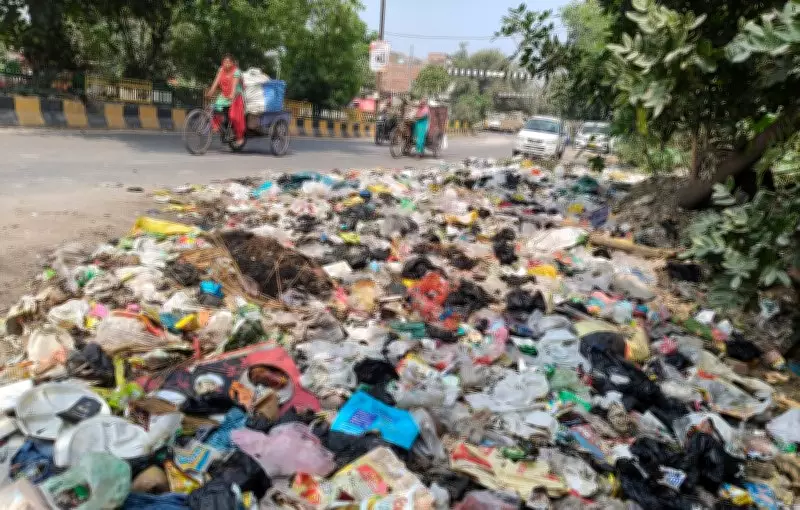
In a decisive move to address Jalandhar's escalating garbage management crisis, the Municipal Corporation (MC) has initiated a comprehensive Rs 143 crore integrated solid waste management project. This ambitious three-year plan, floated in February, aims to revolutionize waste handling through advanced infrastructure and streamlined processes.
Key Components of the Revised Strategy
The civic body plans to procure approximately 400 mini vehicles dedicated to door-to-door garbage collection across the city. Additionally, nearly 20 portable (mobile) compactors will be installed at strategic locations to enhance waste compression and transportation efficiency. This marks a significant shift from the earlier proposal of static compactors announced in June last year.
Officials explained that the revised strategy incorporates mobile compactors and expands the door-to-door collection system to improve overall waste handling. MC Commissioner Sandeep Rishi highlighted the limitations of static compactors, stating, "Static compactors require permanent civil infrastructure, including sheds and designated sites, which significantly increases costs and limits operational flexibility."

Operational Shift and Processing Plans
Under the previous system, garbage collected from streets was transported to dump yards, unloaded, and transferred into static compactors using truck-mounted hooks. These stationary units compress waste into compact loads for further transport, a process deemed cumbersome.
The new plan streamlines operations: garbage collected via door-to-door vehicles will be brought to designated transportation centers, where mobile compactors will compress it before transport to processing facilities. As part of the project, the MC is seeking around 10 acres of land near the Wariana dump site to establish a waste processing plant.
At this facility, garbage will undergo scientific segregation and treatment. Reusable materials will be sent for recycling, organic waste will be converted into compost, and only residual waste will be directed to landfills.
Current Implementation and Challenges
Providing further details, a senior MC official noted that high costs associated with static units prompted the shift to mobile compactors. Currently, two portable compactors have been installed at Burlton Park last month, though they are yet to become operational. Plans are underway to install two more compactors in the coming weeks, with each unit costing approximately Rs 17 lakh.
Solid waste management has long been a persistent civic challenge in Jalandhar, with streets, flyovers, and busy market areas frequently grappling with garbage accumulation. According to officials from the MC's health branch, the city generates nearly 500 tonnes of garbage daily. Of this, only 355 tonnes is processed each day, while the remaining waste is dumped at landfill sites.
Breakdown of daily waste generation includes:
- Around 145 tonnes of wet waste
- Only 16 tonnes processed through home composting
- Seven tonnes used for cattle feeding
- Approximately 20 tonnes treated through bio-waste generators (BWGs)
Responding to concerns, MC Commissioner Sandeep Rishi expressed confidence in the proposed integrated project, stating, "The proposed integrated project is expected to significantly resolve the city's persistent waste collection, transportation, and processing issues."






