

Jharkhand Cabinet Greenlights Major Healthcare and Infrastructure Initiatives
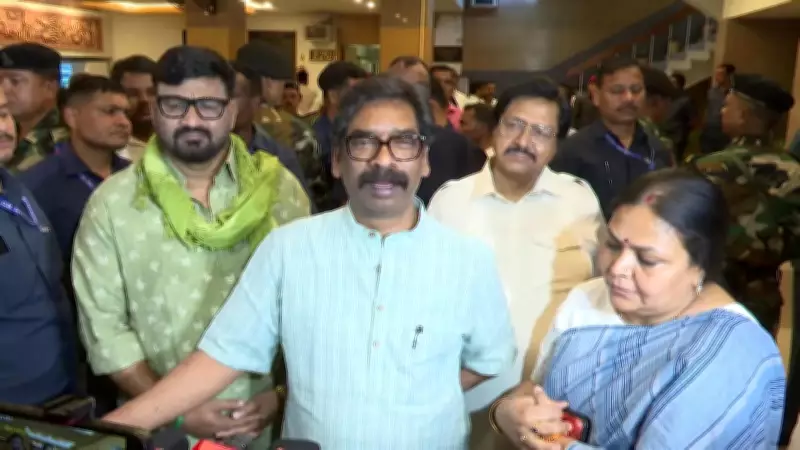
The Jharkhand state cabinet, in a significant meeting held on Wednesday, approved a comprehensive package of decisions aimed at boosting public services across multiple sectors. Led by Chief Minister Hemant Soren, the cabinet's approvals span healthcare, transportation, education, and administrative reforms, marking a substantial push for development in the state.
Healthcare Expansion Through Public-Private Partnership
In a major move to enhance medical infrastructure, the cabinet gave its nod to upgrade four existing district hospitals into full-fledged medical colleges. The hospitals located in Dhanbad, Khunti, Giridih, and Jamtara will be transformed under the public-private partnership (PPP) model. This initiative will be supported through viability gap funding (VGF), ensuring financial feasibility while expanding quality health services to underserved regions.
New Taxation Measures for Commercial Vehicles
The cabinet also approved the Jharkhand Motor Vehicles Taxation (Amendment) Bill, 2026, introducing special taxes on certain commercial vehicles. According to Cabinet Coordination Department Secretary Vandana Dadel, new tax segments have been established. Two-wheelers used for commercial purposes will now face a one-time tax of 7% on their ex-showroom price, valid for 12 years. Similarly, construction vehicles like self-propelled excavator loaders and camper vans will be subject to this levy, aimed at generating revenue from commercial transport operations.

Infrastructure and Administrative Approvals
Several key infrastructure projects received the cabinet's endorsement. Funds amounting to Rs 153.37 crore were sanctioned for the development of an interstate bus terminal in Jamshedpur, expected to improve connectivity and passenger facilities. Additionally, a revised administrative estimate of Rs 162.82 crore was approved for widening the Namkum-Doranda road (6.70 km) to four lanes and undertaking strengthening work, addressing traffic congestion and safety concerns.
Policy Reforms in Mining and Education
The cabinet notified the Jharkhand Minor Mineral Concession (Amendment) Rules, 2026, amending the 2004 rules under the Mines and Minerals Act. Secretary Dadel explained that previously undefined areas for leasing land for minor mineral exploration and mining have now been specified. Exploration leases can cover up to 150 hectares, while excavation leases are capped at 100 hectares, with clear provisions for lease tenures to streamline mining operations.
In the education sector, the cabinet approved organizing a state-level science and technology quiz focused on emerging technologies for students from schools, industrial training institutes (ITIs), and polytechnics. Furthermore, the 'Jharkhand Robotics Festival' received approval, targeting students enrolled in higher and technical educational institutions to foster innovation and technical skills.
Employee and Pensioner Benefits
The cabinet also addressed financial benefits for state employees and pensioners. Approval was granted for a dearness allowance hike effective from July 1, 2025, for pensioners and family pensioners under the unrevised pay scale (6th central pay scale). Similarly, an enhancement in dearness allowance for state government employees was approved from the same date, providing relief amid economic adjustments.
These decisions collectively reflect the Jharkhand government's multifaceted approach to governance, targeting improvements in healthcare accessibility, revenue generation, infrastructure development, and educational advancement across the state.






