Junagadh District Takes Bold Step to Empower Women Sarpanches
Nearly a decade after Gujarat implemented 50% reservation for women in gram panchayats, a persistent phenomenon continues to undermine this progressive policy. Across many villages, the elected woman sarpanch often serves as merely a nominal head, while her husband or other male relative actually controls the administration—a practice colloquially known as "sarpanch pati."
New Initiative to Recognize True Women Leadership
To confront this entrenched practice and foster genuine women's leadership, the Junagadh district panchayat has launched a groundbreaking initiative. The program aims to identify and honor women sarpanches who govern their villages independently, without male relatives making decisions behind the scenes.
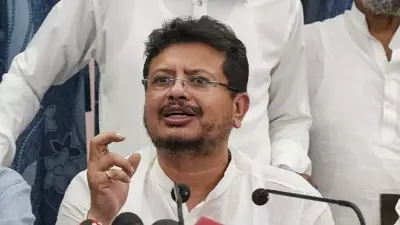
"We observed that in numerous panchayats, women sarpanches exist only on paper. Their husbands or fathers-in-law make the decisions, and villagers follow their instructions. This completely defeats the purpose of panchayati raj," stated Junagadh district panchayat president Haresh Thummar.

Financial Incentives and Selection Process
To encourage women to exercise real authority, the district panchayat has allocated funds in its 2026-27 budget specifically for this recognition program. Under the plan, one woman sarpanch from each of Junagadh's nine talukas will be selected and awarded Rs 50,000 at a public ceremony.
The selection process will be thorough and transparent. A committee comprising bureaucrats and social workers—with no politicians involved—will evaluate candidates based on multiple criteria:
- Whether the woman sarpanch makes independent decisions after being elected
- Her active implementation of government schemes
- Ensuring benefits reach even the most remote residents
- Informal feedback from villagers and family members
Addressing a Long-Standing Challenge
This initiative responds directly to the widespread practice where families field women candidates primarily to meet reservation requirements, while men continue to wield power from the shadows. The phenomenon has persisted despite the reservation policy being in place for approximately ten years.
"The committee will identify women sarpanches who have stepped out of the shadow of male relatives and are actively shaping the futures of their villages," Thummar emphasized. The goal is not just to reward individual leaders but to create role models who inspire other women to claim their rightful authority in local governance.
Broader Implications for Women's Empowerment
This recognition program represents a significant step toward realizing the true intent of panchayati raj institutions. By celebrating women who govern independently, Junagadh district hopes to shift cultural norms and demonstrate that women can and should lead at the grassroots level.
The initiative acknowledges that merely having women in elected positions is insufficient if they lack actual decision-making power. It seeks to transform the symbolic representation of women in local governance into substantive leadership that drives community development.
As this program unfolds, it will be closely watched by other districts in Gujarat and potentially across India as a model for promoting genuine women's participation in democratic institutions at the village level.