Construction Commences for New Units at Kaiga Nuclear Power Plant in Karnataka
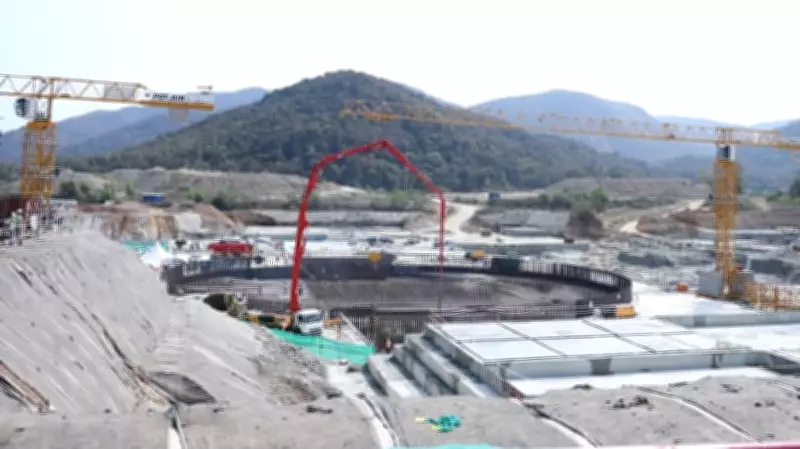
The Atomic Energy Commission has officially announced the beginning of construction work for the fifth and sixth units at the Kaiga nuclear power plant located in Karnataka. This significant development marks a major step forward in India's nuclear energy expansion efforts, aimed at enhancing the nation's power generation capacity and supporting its growing energy demands.
Official Timeline and Production Expectations
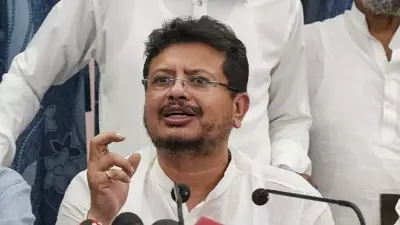
Atomic Energy Commission Chairperson Ajit Kumar Mohanty provided detailed insights into the construction schedule and operational targets for the new units. According to Mohanty, the construction duration for a nuclear power plant is calculated from the day of the first pour of concrete, a critical milestone that signifies the formal start of the building process.
The fifth unit is projected to commence production within the next 60 months, translating to an estimated completion and operational date around early 2031, based on the current timeline. This timeline underscores the meticulous planning and engineering precision required for nuclear facility construction, ensuring safety and regulatory compliance at every stage.

Strategic Importance for Karnataka and India
The expansion of the Kaiga nuclear power plant holds substantial strategic importance for both Karnataka and the broader Indian energy landscape. Kaiga, already a key contributor to the region's power grid, will see its capacity significantly boosted with the addition of these two new units. This move aligns with India's national objectives to increase the share of nuclear power in its energy mix, reducing reliance on fossil fuels and promoting cleaner, sustainable energy sources.
The project is expected to generate employment opportunities, stimulate local economies, and enhance energy security in Karnataka, which has been experiencing rising electricity demands due to industrial growth and urbanization. By leveraging advanced nuclear technology, the plant aims to provide a stable and reliable power supply, supporting both residential and commercial needs across the state.
Technical and Regulatory Framework
The construction of nuclear power units involves a complex interplay of technical expertise, safety protocols, and regulatory oversight. The Atomic Energy Commission, along with other regulatory bodies, will oversee the project to ensure adherence to international safety standards and environmental guidelines. Key aspects of the construction include:
- Site preparation and foundation work, starting with the first concrete pour.
- Installation of reactor components and safety systems.
- Rigorous testing and commissioning phases before operational launch.
Mohanty emphasized that the timeline of 60 months for the fifth unit reflects a balanced approach, incorporating lessons learned from previous nuclear projects to optimize efficiency without compromising on safety. The sixth unit's schedule will follow a similar framework, with detailed plans to be announced as construction progresses.
Future Outlook and Broader Implications
As work begins on these new units, the Kaiga nuclear power plant is poised to become an even more critical asset in India's energy infrastructure. The successful completion of the fifth and sixth units will not only augment power generation but also demonstrate India's capabilities in managing large-scale nuclear projects. This initiative is part of a broader national strategy to expand nuclear capacity, with similar projects underway in other states, contributing to India's goals of energy independence and climate change mitigation.
In summary, the launch of construction for the fifth and sixth units at Kaiga represents a forward-looking investment in sustainable energy, with the fifth unit targeted for production within 60 months. This development underscores Karnataka's role in India's nuclear energy journey and highlights the collaborative efforts of government agencies, scientists, and engineers in advancing the country's power sector.