

Kaithal Deputy Commissioner Takes Stand Against Proxy Leadership in Panchayats
In Haryana, the persistent issue of 'proxy leadership' within the panchayati raj system, where elected women sarpanches often serve as mere figureheads while their husbands wield actual authority, continues to undermine grassroots democracy. To address this challenge and foster genuine participation from female representatives, the Kaithal deputy commissioner has initiated a proactive campaign aimed at empowering women in local governance.
DC Aparajita's Call to Action for Women Sarpanches
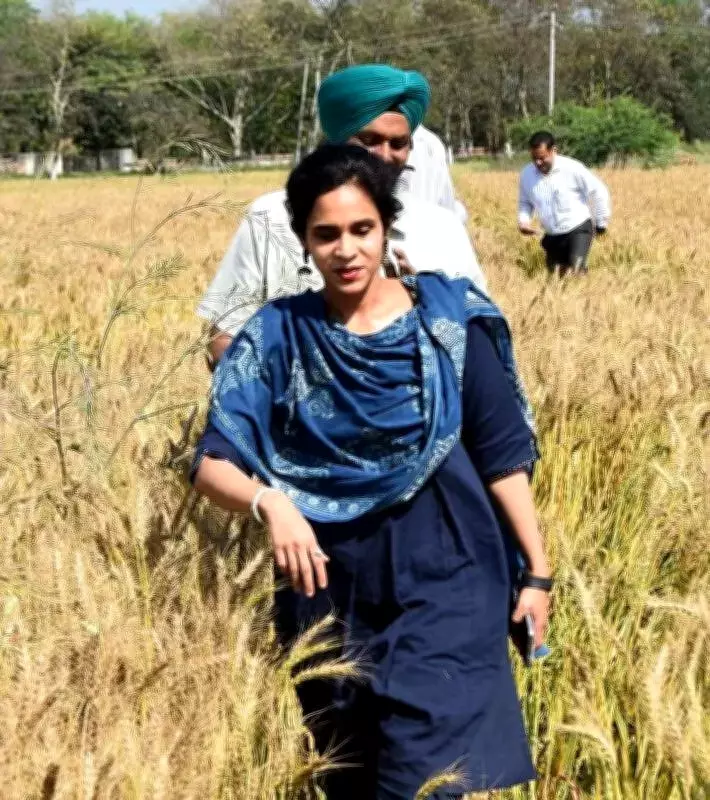
Deputy Commissioner Aparajita recently convened a meeting at the Mini Secretariat, where she passionately urged women sarpanches to recognize and exercise their constitutional powers with confidence. Emphasizing the critical role of elected representatives, she stressed the importance of ensuring that government schemes reach every eligible beneficiary in their villages. During the session, the DC meticulously reviewed records from several gram panchayats to assess progress and identify areas for improvement.
Key directives issued by the DC include:

- Conducting regular inspections of government schools, anganwadi centres, libraries, and community buildings to monitor functionality and address issues promptly.
- Holding frequent gram sabha meetings to engage with villagers and gather feedback on local needs and concerns.
- Maintaining constant coordination with block development and panchayat officers (BDPOs) to streamline development efforts and implement innovative ideas for rural upliftment.
Addressing Local Issues and Promoting Model Villages
During the meeting, several sarpanches raised specific local challenges, such as infrastructure gaps and administrative hurdles. In response, DC Aparajita directed concerned officials to ensure swift redressal, highlighting the need for efficient governance. She also introduced the concept of a 'model village,' advocating for a phased approach that focuses on small, impactful changes. For instance, she encouraged sarpanches to develop at least one anganwadi or school classroom as a model to inspire broader improvements.
"Small efforts form the foundation of big changes. I hope that in our next meeting, you will show the improvements in your villages," she remarked, motivating the representatives to take incremental steps towards holistic development.
Spreading Awareness About Welfare Schemes
The DC underscored the importance of disseminating information about various welfare schemes implemented under the leadership of Chief Minister Nayab Singh Saini. She tasked sarpanches with educating villagers about key programs, including:
- Mukhyamantri Vivah Shagun Yojana
- Inter-caste Marriage Shagun Yojana
- Social pension schemes
- Dr Ambedkar Medhavi Chhatravriti Yojana
- Lado Lakshmi Yojana
- PM Kisan Samman Nidhi
By raising awareness, the aim is to enhance accessibility and ensure that these benefits reach the intended recipients, thereby strengthening rural communities and reducing dependency on proxy leadership.
This initiative marks a significant step towards empowering women in local governance, promoting transparency, and fostering sustainable development in Kaithal's villages.






