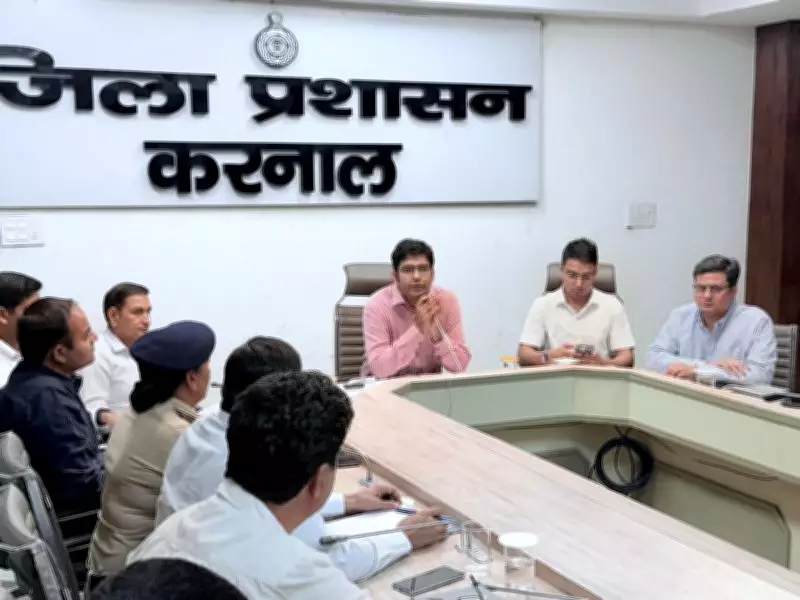
In a decisive move to combat air pollution, the Deputy Commissioner (DC) of Karnal has issued a directive to all officials to register First Information Reports (FIRs) against individuals found burning stubble. This order comes as part of the district administration's intensified efforts to curb the practice, which significantly contributes to the deterioration of air quality in the region during the harvest season.
Strict Measures to Curb Stubble Burning
The Karnal DC emphasized that stubble burning is a punishable offense under the Air (Prevention and Control of Pollution) Act, 1981, and the Environment Protection Act, 1986. The directive mandates that revenue officials, including tehsildars and naib tehsildars, along with agriculture department officers, must remain vigilant and take immediate legal action against violators. The DC warned that any negligence in implementing these orders would lead to disciplinary action against the concerned officials.
Impact on Air Quality
Stubble burning, particularly in the states of Punjab and Haryana, has long been a major source of air pollution in northern India. The smoke from burning crop residue combines with other pollutants, creating a thick smog that engulfs the National Capital Region (NCR) and surrounding areas every autumn. This practice not only harms human health but also degrades soil fertility and contributes to climate change.

The district administration has urged farmers to adopt alternative methods for managing crop residue, such as using in-situ management techniques like the Happy Seeder or zero-tillage machines. These methods help retain moisture in the soil, improve soil health, and reduce the need for burning. The government also provides subsidies and financial incentives to farmers who adopt these eco-friendly practices.
Legal Consequences for Offenders
Under the new directive, any farmer or individual caught burning stubble will face legal action, including the registration of an FIR. The penalties can include fines and imprisonment, as per the provisions of the relevant environmental laws. The DC has directed all police stations in the district to cooperate with revenue and agriculture officials in enforcing the ban.
Additionally, the district administration has set up monitoring teams to conduct regular patrols and surveillance, especially during the peak stubble burning season from October to November. These teams will use technology, including satellite imagery and drones, to detect and report incidents of stubble burning in real-time.
Community Awareness Campaigns
Alongside punitive measures, the administration is also focusing on awareness campaigns to educate farmers about the harmful effects of stubble burning and the benefits of alternative practices. Workshops, training sessions, and demonstrations are being organized in villages to promote sustainable farming techniques. The DC appealed to farmers to cooperate with the administration and contribute to a cleaner and healthier environment.
This proactive step by the Karnal administration is expected to set a precedent for other districts in the state, reinforcing the commitment to environmental protection and public health.