Karnataka's Children Gram Sabhas: A Ritualistic Exercise Failing Young Voices
In a concerning revelation about grassroots democracy in Karnataka, the state's initiative to empower children through dedicated gram sabhas appears to have become more of a ceremonial formality than a meaningful platform for youth engagement. The program, designed specifically to give young citizens a voice in local governance, is struggling with implementation across the state's extensive network of village councils.
Alarming Participation Statistics Across Gram Panchayats
Recent data paints a stark picture of participation gaps in Karnataka's children's gram sabhas. Out of the state's total 5,958 gram panchayats (GPs), only 3,309 managed to organize these special meetings for young participants. This represents just over 55% of the intended coverage, leaving nearly half of the state's village councils without this crucial platform for youth involvement in local decision-making processes.
The situation becomes even more pronounced when examining specific districts. In Mysuru district, among its 256 gram panchayats, a mere 71 children's gram sabhas were successfully organized. This translates to less than 28% of the district's GPs conducting these meetings, highlighting significant regional disparities in implementation and commitment to youth participation initiatives.

The Gap Between Intention and Implementation
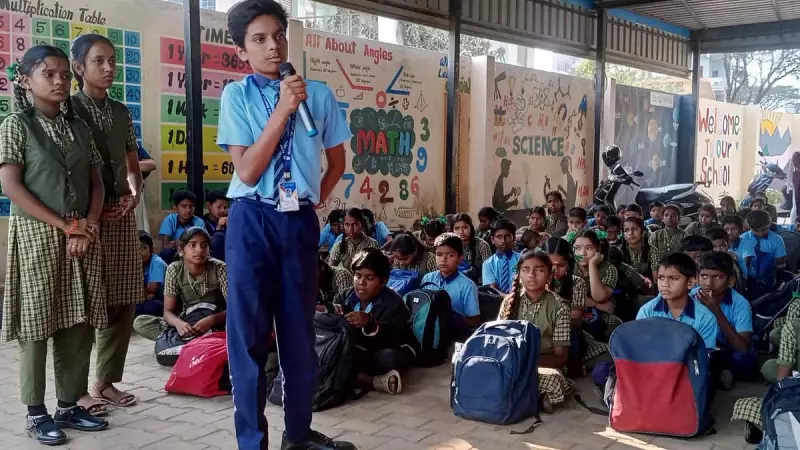
Children's gram sabhas were conceived as innovative platforms where young residents could voice their concerns, suggest improvements, and learn about democratic processes firsthand. These meetings were meant to serve multiple purposes: educating children about local governance, identifying youth-specific issues in communities, and fostering civic responsibility from an early age.
However, the current statistics suggest these gatherings have largely become perfunctory exercises rather than vibrant forums for youth expression. The low numbers indicate systemic challenges in execution, potentially including inadequate planning, insufficient resources, lack of awareness among local officials, or competing priorities within gram panchayat administrations.
Implications for Youth Engagement and Democratic Development
The underperformance of children's gram sabhas raises important questions about how seriously youth participation is being taken at the grassroots level in Karnataka. When such initiatives become mere rituals rather than substantive engagements, they risk undermining the very democratic values they're meant to promote among younger generations.
This pattern of limited implementation could have several consequences:
- Missed opportunities to address children's specific needs and concerns in local planning
- Reduced civic education for young citizens about how local governance functions
- Weakened connection between youth and their local democratic institutions
- Potential disillusionment among children about their ability to influence community decisions
The contrast between the program's ambitious goals and its current implementation reality highlights the challenges of translating policy intentions into effective ground-level action, particularly when it comes to innovative approaches to citizen engagement.
Looking Forward: Revitalizing Youth Participation
For Karnataka's children's gram sabhas to fulfill their original purpose, several measures might be necessary. These could include better monitoring mechanisms, capacity building for local officials, awareness campaigns targeting both children and their families, and perhaps most importantly, ensuring that suggestions and concerns raised in these meetings receive genuine consideration in gram panchayat decision-making processes.
The current statistics serve as a wake-up call about the gap between policy design and implementation in youth engagement initiatives. As Karnataka continues to develop its local governance structures, ensuring that children's gram sabhas evolve from ritualistic exercises to meaningful platforms for youth voices will be crucial for nurturing an engaged, informed, and participatory next generation of citizens.