

Karnataka Minister Calls for QR Code Implementation to Boost Women's Safety
In a significant move to address women's issues, Karnataka's Women and Child Development Minister emphasized the need for greater respect towards women and proposed innovative technological solutions during a public hearing event in Mandya. The minister's statements highlight a proactive approach to enhancing safety and convenience for women across the state.
Advocating for Respect and Technological Integration
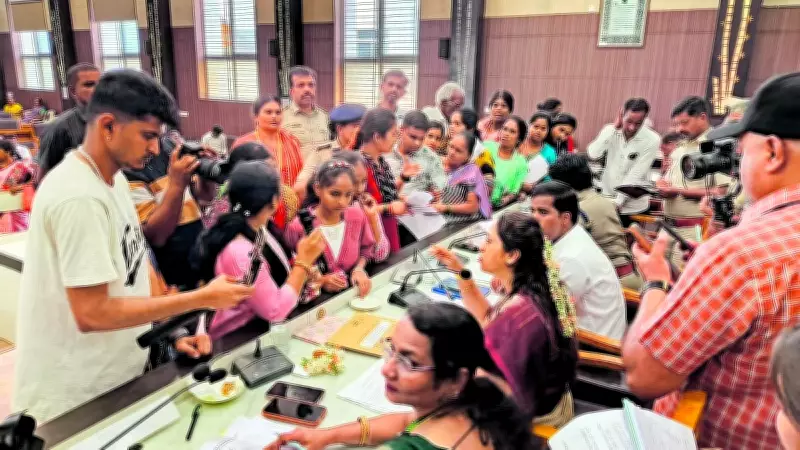
Speaking at the 'Mahila Jan Sunwai' program held in Mandya on Friday, the minister stressed that treating women with dignity and respect is fundamental to societal progress. She pointed out that gender-sensitive initiatives must be prioritized to prevent inconveniences faced by women in their daily lives. The minister specifically recommended the installation of QR codes as a modern tool for lodging complaints, aiming to streamline the process and make it more accessible.
Proposed QR Code System for Complaint Lodging
The proposed QR code system is designed to allow women to easily report incidents or grievances by scanning codes placed in public areas or through dedicated platforms. This initiative seeks to:

- Provide a quick and discreet method for women to seek help or file complaints.
- Reduce barriers to reporting, such as fear of stigma or bureaucratic hurdles.
- Enhance data collection and response times from authorities.
By leveraging technology, the minister believes that such systems can significantly improve women's safety and empowerment, aligning with broader efforts to implement gender-sensitive programs.
Context and Broader Implications
The 'Mahila Jan Sunwai' program serves as a platform for women to voice their concerns directly to government officials, fostering community engagement and accountability. The minister's call for QR codes reflects a growing trend in using digital tools to address social issues, particularly in regions like Karnataka where technological adoption is on the rise. This proposal could set a precedent for other states to follow, promoting a more inclusive and secure environment for women nationwide.
As discussions continue, stakeholders are encouraged to collaborate on refining these initiatives to ensure they are effective and widely implemented. The minister's advocacy underscores a commitment to transforming policies into tangible actions that benefit women's lives.






