Kochi Metro's Electric Feeder Autos Rust Away Amid Maintenance Dispute
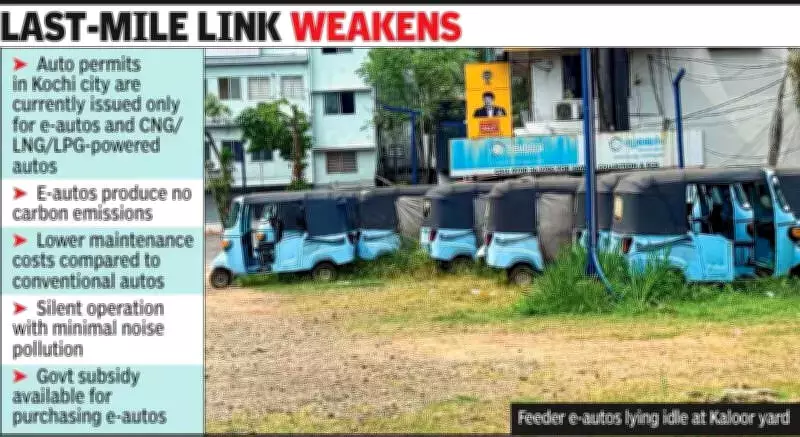
In a significant setback for sustainable urban mobility, a fleet of electric feeder autos launched by Kochi Metro Rail Ltd (KMRL) to enhance last-mile connectivity is now languishing in disrepair at the Kaloor Metro station parking area. Introduced three years ago with much fanfare, these 75 e-autos were intended to bridge the gap between Metro stations and nearby destinations, but many are now non-operational, rusting, and neglected.
Idle Vehicles and Deteriorating Condition
Currently, 32 of these electric autos are completely non-operational, while seven others have been severely damaged in accidents. Numerous vehicles have been left unattended for nearly six months, raising serious concerns about potential damage to their expensive battery cells. Observations reveal dust-covered seats, worn-out body covers, flattened tyres, and rusting metal parts on several autos, highlighting a clear lack of maintenance.
Contractual Disagreement Over Maintenance
The root of the problem lies in a contractual dispute over maintenance responsibilities. While KMRL purchased the vehicles, they are operated by members of the Ernakulam District Autorickshaw Drivers Cooperative Society (EJADCS). According to the agreement, the licence holders operating the autos are responsible for their upkeep. However, drivers argue that since KMRL owns the vehicles, the Metro authority should bear the maintenance burden.

"It is clearly stated in the contract agreement that the drivers have to pay the daily amount and maintain the vehicle they operate," stated a KMRL official. Drivers are required to pay a daily fee of Rs 312 to KMRL, regardless of whether the vehicle is used that day. This financial pressure, combined with the maintenance disagreement, has led many e-autos to remain parked instead of serving commuters.
Drivers' Reluctance and Operational Challenges
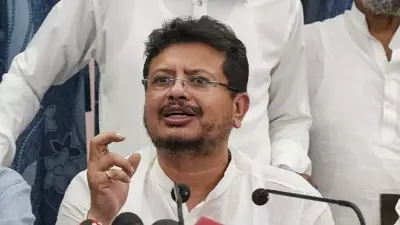
M B Symandha Bhadran, president of the Ernakulam District Autorickshaw Drivers Cooperative Society, explained that drivers are hesitant to operate the e-autos due to economic and infrastructural hurdles. "Drivers are also reluctant to operate e-autos because they can charge only the minimum fare while still paying daily rent. In addition, charging infrastructure is limited in several locations," he said. Over the past month, only about 25 e-autos have been actively running.
The society has attempted to intervene by undertaking maintenance work on some operational autos, and a few vehicles are currently undergoing fitness tests. However, Bhadran emphasized that the issue is not solely KMRL's fault, noting that the prolonged parking at Kaloor yard involves multiple factors.
Call for Resolution and Future Steps
Society representatives have urged KMRL to repair the parked vehicles and conduct necessary fitness tests to get them back on the road. They believe that with proper repairs and testing, the e-autos could resume service, revitalizing the last-mile connectivity initiative. The situation underscores the complexities of implementing green public transport solutions and the need for clear, collaborative agreements between authorities and operators.
As these electric feeder autos continue to deteriorate, the promise of seamless, eco-friendly commuter travel in Kochi remains unfulfilled, calling for urgent attention from all stakeholders involved.