

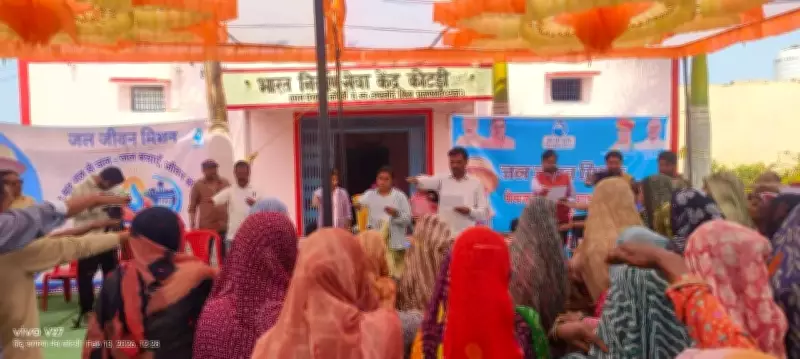
Kotri Village in Rajasthan Demonstrates Sustainable Water Solutions
In the arid state of Rajasthan, where water scarcity, unpredictable rainfall, and prolonged dry spells are common challenges, the small tribal village of Kotri is emerging as a beacon of sustainable change. This Earth Day, Kotri stands out not merely for securing water access but for mastering the art of sustaining it through community-driven initiatives.
From Water Distress to Reliable Supply
Home to approximately 4,000 residents, Kotri has endured years of severe water distress. Summers often brought dry wells, malfunctioning hand pumps, and days filled with uncertainty over water availability. In the most difficult periods, some families were forced to migrate temporarily in search of water and employment opportunities.
Previously, the village relied on 21 hand pumps, many of which either ran dry or provided contaminated water. A significant transformation occurred with the implementation of the Jal Jeevan Mission, which facilitated tap connections for every household. Kotri achieved the status of a "Har Ghar Jal" village in October 2023, marking a critical milestone in its water journey.

Community Leadership and Empowerment
The real shift began after the infrastructure was established. "The tap connection arrived and the source was created, but we realized it's our responsibility to keep it operational," explained Alka, a local resident. At the heart of this effort is the village water and sanitation committee (VWSC), where women are taking a leading role.
Women in Kotri are actively involved in:
- Monitoring pipelines and addressing leaks
- Managing financial accounts
- Ensuring inclusive access for all households
This daily management by women has made the change visibly impactful in everyday life. Previously, women spent hours each day fetching water, but now that time is being redirected toward more productive activities. "I now stitch clothes from home and contribute to my family's income," shared Suneeta Kumari, highlighting the economic benefits.
Environmental and Social Benefits
Reliable water access has reshaped the village landscape. Kitchen gardens have flourished, more trees are being planted, and the green cover is gradually improving—a rare sight in water-stressed regions. Beyond livelihoods, access to clean water has enhanced public health, reduced daily stress, and allowed children, particularly girls, to dedicate more time to their education.
Sustainable Financial Model
What ensures the longevity of this system is its robust financial framework. Each household contributes a monthly user fee, which funds operations and maintenance, including pump repairs and emergency responses. This community-funded model guarantees uninterrupted water supply without external dependency.
The initiative has also received technical support from UNICEF, strengthening systems for long-term sustainability and serving as a model for other villages facing similar challenges.






