

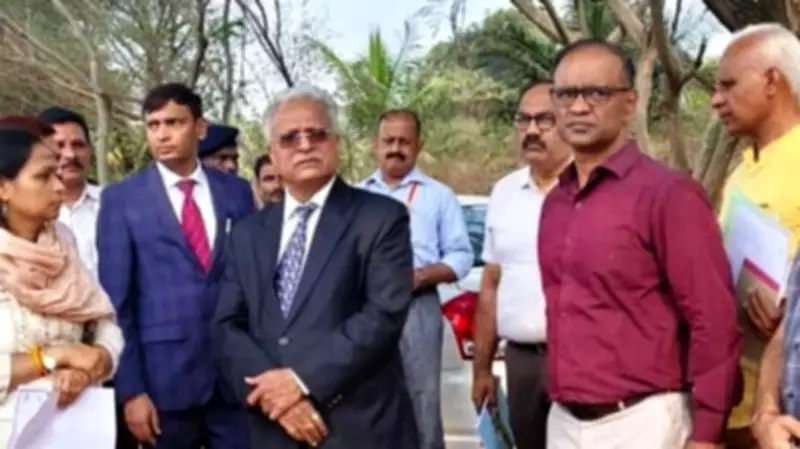
Lokayukta and Upalokayukta Conduct Surprise Inspections of Bengaluru Lakes and Waste Facilities
In a significant move to address environmental and public health concerns, the Lokayukta and Upalokayukta of Karnataka conducted unannounced inspections of lakes and garbage processing facilities in Bengaluru. The inspections, which took place on March 9, 2026, focused on assessing compliance with waste management regulations and responding to long-standing complaints from local residents.
Focus on Lingadheeranahalli Waste Plant
One of the key sites visited was the Lingadheeranahalli waste processing plant, where the Lokayukta engaged directly with community members. Residents had previously raised serious issues regarding the facility, including persistent foul smells, infestations of flies, and the uncontrolled flow of leachate water from the waste site. These problems have been a source of distress for the local population, impacting their daily lives and health.
During the inspection, the Lokayukta listened attentively to the grievances of the residents, emphasizing the importance of proper waste management practices. The officials noted the environmental hazards posed by the leachate, which can contaminate soil and water sources, and the nuisance caused by the odors and insects. This hands-on approach highlights the authorities' commitment to addressing civic issues at the grassroots level.

Broader Environmental Concerns
The inspections also covered several lakes in the Bengaluru area, which have been under scrutiny due to pollution and encroachment issues. The Lokayukta and Upalokayukta assessed the condition of these water bodies, checking for signs of contamination from nearby waste facilities and other sources. This comprehensive review aims to ensure that Bengaluru's lakes are preserved and protected from further degradation.
The role of the Lokayukta in such inspections is crucial, as it serves as an anti-corruption ombudsman that can investigate and recommend actions against government departments for maladministration. By focusing on waste management and lake conservation, the officials are tackling key urban challenges that affect the city's sustainability and quality of life.
Implications for Bengaluru's Waste Management
This inspection comes at a time when Bengaluru is grappling with increasing waste generation and inadequate disposal mechanisms. The findings from the Lingadheeranahalli plant and other sites are expected to lead to recommendations for improvements in waste processing technologies and stricter enforcement of environmental norms. The Lokayukta's involvement signals a push for greater accountability and transparency in how municipal bodies handle waste.
Residents have welcomed the inspections, hoping that they will result in tangible changes and relief from the ongoing issues. The Lokayukta's proactive stance is seen as a positive step towards resolving these persistent problems and enhancing the city's environmental health.
As Bengaluru continues to grow, such initiatives are essential to ensure that urban development does not come at the cost of public well-being and ecological balance. The Lokayukta and Upalokayukta's efforts underscore the need for continuous monitoring and action to safeguard the city's natural resources and improve living conditions for all residents.






