Ludhiana's Traffic Gridlock: Expert Solutions Gather Dust at Municipal Corporation
The Municipal Corporation (MC) of Ludhiana is grappling with a significant implementation gap as a set of critical recommendations from road-traffic experts to address severe congestion at 18 identified bottlenecks across the city remains largely unimplemented. Civic officials have acknowledged the delays, citing formidable challenges primarily centered around land acquisition and substantial funding requirements.
Key Recommendations and Major Hurdles
The expert team, hired after a protracted two-year tender process culminating in March 2024, flagged major problem areas, particularly in the old city zones. Among the pivotal suggestions was the acquisition of land near Lakkar Bridge, where numerous shops and encroachments are severely obstructing traffic flow. This has proven to be a persistent stumbling block for the authorities.
Further critical issues identified include missing service lanes along Old GT Road near Dholewal and Salem Tabri, which exacerbate daily traffic snarls. Perhaps most emblematic of the systemic delays is the situation at Pavitar Nagar, where a bridge on Buddha Dariya has been blocked for years. The MC has been unable to acquire the necessary land to open this already constructed infrastructure, rendering it useless to commuters.

Official Statements and Defensive Posture
An MC official, speaking on condition of anonymity, clarified the civic body's position. "We have received the comprehensive report, but the reality is that most proposed solutions necessitate land acquisition, which demands considerable financial resources," the official stated. He emphasized the compounding difficulty, noting that if the MC cannot secure land for a ready-to-use bridge in Pavitar Nagar, mobilizing funds for larger, more complex acquisitions becomes an even greater challenge.
The official contested the notion that no action had been taken whatsoever. He pointed to a recent achievement where a major structure impeding the widening of Mall Road was removed with the support of the deputy commissioner. This clearance now allows the civic body to proceed with road expansion plans aimed at easing traffic. Additionally, he mentioned that several chowks (intersections) have been redesigned to better manage traffic load, representing incremental, if not comprehensive, progress.
Leadership Acknowledgment and Future Coordination
MC Commissioner Neeru Katyal Gupta addressed the issue directly. "It is correct that if we hire experts for a specific purpose, their recommendations should be implemented," she stated. She added a note of reassessment and future planning, saying, "If any suggestions were not implemented in the city, we can review them again. In future agreements, we will also enhance coordination with the traffic police to ensure better implementation of such projects."
Regulatory Context and Procedural Delays
The push for expert consultation stems from 2022 directives issued by the local bodies department. These mandates required that no new road work be planned without including a dedicated road-safety budget in the project estimates. This policy, applicable to MCs, the Public Works Department (PWD), and other construction bodies, aimed to systematically reduce road accidents across the region.
In adherence to these directives, authorities sought to hire road-traffic experts. This process itself faced significant delays, with tenders floated four times over two years before finally appointing an agency in March 2024. Demonstrating the ongoing nature of these efforts, the MC has once again floated a tender to hire a specialized firm, indicating a continued, albeit slow-moving, commitment to addressing the city's infrastructure woes.
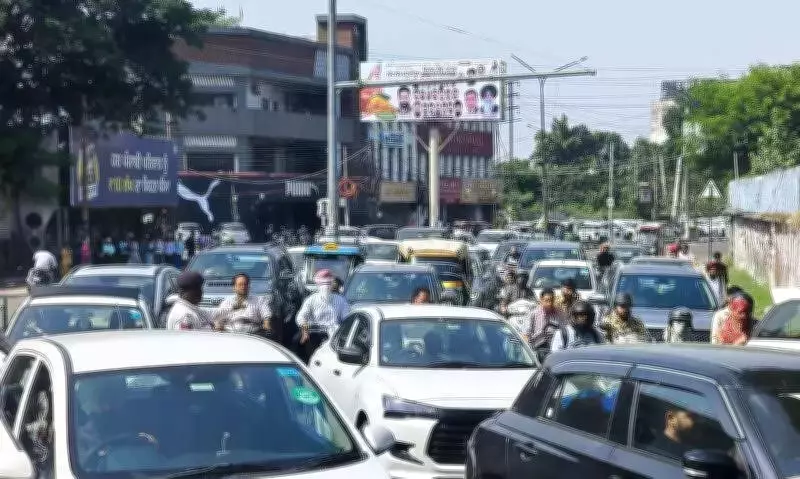
Ludhiana's persistent traffic problems, characterized by daily congestion at critical points, highlight the gap between urban planning recommendations and on-ground execution. While minor adjustments have been made, the core solutions requiring land and capital remain in limbo, leaving commuters to navigate the city's notorious bottlenecks with little relief in sight.