Army Raises Alarm Over Maharashtra's Critical Shortage of Veteran Welfare Officers
The Army's area office has formally pointed out to the Maharashtra state government that the state lacks sufficient administrative officers dedicated to veterans' welfare, creating a significant gap in support services for former military personnel. This critical issue was brought to light during recent discussions focused on addressing the needs of ex-servicemen across the region.
Severe Officer Shortage for Large Veteran Population
Maharashtra is home to approximately two lakh veterans distributed across its 33 districts, yet only 17 of these districts currently have full-time Zilla Sainik Welfare Officers (ZSWOs) in position. This stark disparity means that thousands of veterans are potentially without adequate local administrative support for accessing benefits, pensions, and other welfare services.
"The matter was taken up with the government during discussions on veterans' issues," confirmed Lieutenant General DS Kushwah, the general-officer-commanding (GOC) for the Maharashtra, Goa, and Gujarat regions. "It has been also mooted that district collectors could have separate expenditure sub-heads specifically designated for veterans' welfare."

Veterans' Rally Highlights Systemic Issues
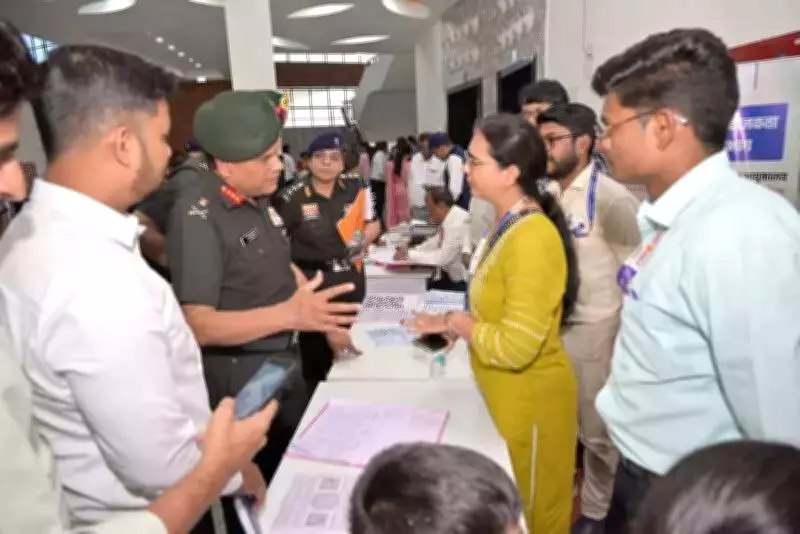
Lieutenant General Kushwah made these remarks while addressing a veterans' rally organized in Nagpur on Sunday by the Uttar Maharashtra and Gujarat (UMANG) sub-area. The event served as both a recognition ceremony and a platform to discuss pressing concerns affecting former service members.
During the rally, next of kin of martyrs from the 1965 and 1971 Indo-Pak wars were honored, along with families of those who served in peacekeeping operations in Sri Lanka during the 1980s and counter-insurgency deployments in Kashmir. These felicitations underscored the ongoing legacy of service and sacrifice that welfare systems are designed to support.
State Department Structure and Responsibilities
Every Indian state maintains a Department of Sainik Welfare, which functions as a dedicated office for ex-servicemen's welfare. This department operates district-level offices headed by ZSWOs, who are typically ex-servicemen of officer rank. At the state level, the department is headed by a cabinet-level minister, with Shambhuraj Desai currently holding this portfolio in Maharashtra.
According to sources familiar with the administrative process, the responsibility for issuing advertisements and filling ZSWO positions ultimately rests with the state government. This highlights the need for proactive recruitment and allocation of resources to address the current shortage.
Progress Amid Challenges
Despite the officer shortage, the UMANG sub-area has made significant progress in processing veterans' cases. Major General NS Sohal, GOC of UMANG, reported that the sub-area has cleared more than 12,000 cases through the SPARSH portal, in addition to over 5,000 cases handled through conventional methods.
To date, arrears totaling more than ₹4.72 crore have been successfully released to retired servicemen, demonstrating tangible outcomes from existing welfare mechanisms even as systemic challenges persist.
Personal Memories from Veterans
The rally also provided a space for veterans to share personal recollections from their service years. Havaldar RK Pande of the Brigade of Guards Regiment recounted a unique cultural moment during the 1971 war, describing how the Bollywood film Sholay was screened at a prisoner of war camp in Sagar.
"The film was screened for four days—three times for Indian soldiers and once for the Pakistani prisoners of war. I watched all four shows," he recalled with vivid detail. Havaldar Pande also shared memories of combat on the eastern front, noting: "They waited until we were barely a few meters away and suddenly opened fire. However, our troops soon overran them."
These personal narratives emphasize the human dimension behind the administrative statistics, reminding stakeholders that welfare systems support individuals with rich histories of service and sacrifice.