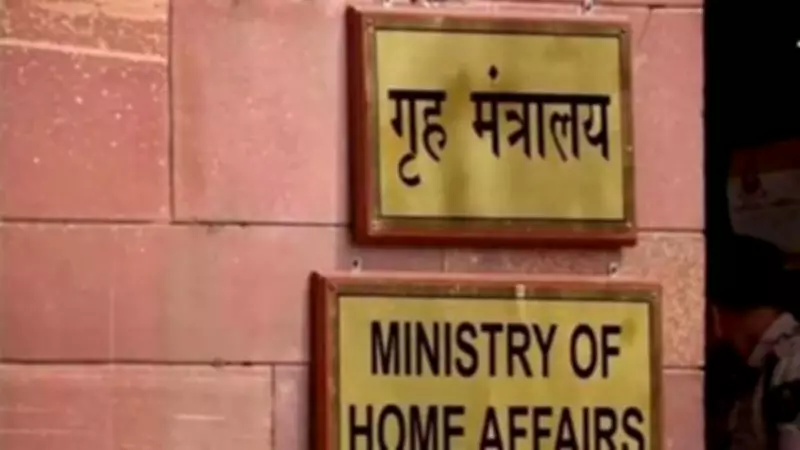
MHA Introduces Mandatory Central Deputation for IPS Officers Seeking IG Promotion
The Ministry of Home Affairs (MHA) has rolled out a significant new policy directive that will reshape the career progression of Indian Police Service (IPS) officers across the country. In a move aimed at enhancing administrative experience and fostering a broader perspective, the ministry now mandates that IPS officers must complete a two-year stint in central deputation before they can be considered eligible for promotion to the rank of Inspector General (IG).
Key Details of the New Mandate
According to the official notification issued by the MHA, this requirement is specifically targeted at officers serving at the levels of Superintendent of Police (SP) or Deputy Inspector General (DIG). The policy stipulates that these officers must undertake a two-year assignment with central agencies or ministries under the Government of India. This central deputation is designed to provide them with exposure to national-level policing strategies, inter-state coordination mechanisms, and specialized investigative techniques that are crucial for higher leadership roles.
The primary objective behind this mandate is to ensure that officers aspiring for the IG rank possess a well-rounded understanding of both state and central policing frameworks. By integrating experiences from diverse operational environments, the MHA aims to cultivate a cadre of senior police officials who are adept at handling complex security challenges that often transcend regional boundaries.

Implications for Career Progression and Policing
This policy shift is expected to have far-reaching implications for the career trajectories of IPS officers. Traditionally, many officers have spent the majority of their service within their respective state cadres, with limited opportunities for central exposure until later stages. The new rule formalizes and prioritizes central experience as a prerequisite for advancement to one of the most senior ranks in the police hierarchy.
Experts believe that this move will not only standardize promotion criteria but also enhance the overall quality of leadership within the Indian police forces. Officers who undergo central deputation are likely to gain insights into:
- National security protocols and intelligence-sharing mechanisms.
- Advanced technological tools used in cybercrime and forensic investigations.
- Inter-agency collaboration models that are essential for tackling organized crime and terrorism.
Furthermore, the mandate is seen as a step towards creating a more integrated and cohesive policing ecosystem in India. By ensuring that future IGs have hands-on experience with central policies and initiatives, the MHA hopes to bridge the gap between state-level law enforcement and national security objectives.
Implementation Timeline and Future Outlook
The policy is set to be implemented with immediate effect, affecting officers who are currently in the pipeline for promotion to IG rank. The MHA has clarified that the two-year central stint can be completed in a single posting or through multiple assignments, as long as the cumulative duration meets the requirement. This flexibility is intended to accommodate the operational needs of both the officers and the central agencies involved.
Looking ahead, this mandate is part of a broader series of reforms aimed at modernizing India's police administration and aligning it with contemporary security demands. It underscores the government's commitment to nurturing a professional and versatile police leadership capable of navigating the complexities of 21st-century law enforcement.
In conclusion, the MHA's new policy marks a pivotal change in the promotion norms for IPS officers, emphasizing the value of central experience in shaping effective senior commanders. As officers adapt to this requirement, it is anticipated that the Indian police forces will benefit from a more dynamic and nationally-oriented leadership cadre in the years to come.