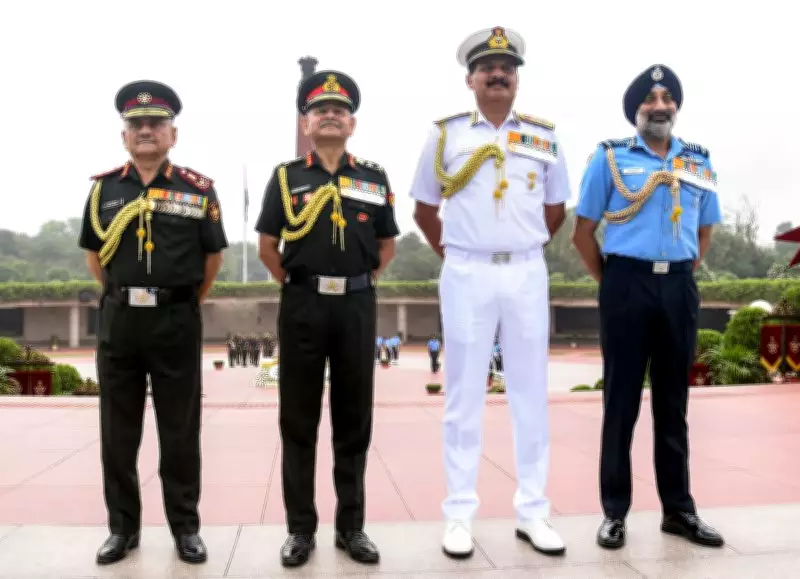
The Indian military has formally submitted the theatre command plan to Defence Minister Rajnath Singh, marking a significant step towards the integration of the three armed forces. The plan, which has been in the works for several years, aims to create unified commands for better coordination and efficiency in operations.
Key Aspects of the Theatre Command Plan
The theatre command plan proposes the establishment of integrated commands that will combine assets and personnel from the Army, Navy, and Air Force under a single commander. This is expected to streamline decision-making and enhance combat readiness.
Objectives
- Enhanced Coordination: By breaking down service-specific silos, the commands will facilitate joint planning and execution of military operations.
- Cost Efficiency: Integration is expected to reduce duplication of resources and lead to significant savings in defense expenditure.
- Rapid Response: Unified commands will enable quicker response to threats, especially in a multi-domain environment.
Implementation Timeline
According to sources, the plan includes a phased implementation over the next few years. The initial phase will focus on creating two or three theatre commands, with the possibility of more in the future. The first commands are expected to become operational by 2025.

Challenges Ahead
While the plan has been submitted, its implementation faces several challenges, including resistance from individual services, logistical hurdles, and the need for doctrinal changes. The Defence Ministry is expected to review the plan and seek input from all stakeholders before giving final approval.
The submission of the theatre command plan is a historic move towards modernizing India's defense apparatus and aligning it with global best practices. It reflects the government's commitment to enhancing national security through structural reforms.