MSRTC Mandates EV Charging Points at All New Fuel Outlets on Its Land
The Maharashtra State Road Transportation Corporation (MSRTC) has issued a directive requiring all new fuel outlets developed on its land to include electric vehicle (EV) charging stations. This move aims to support the state's growing EV ecosystem, even as the corporation's own transition to an electric bus fleet faces significant delays.
New Directive for Green Infrastructure
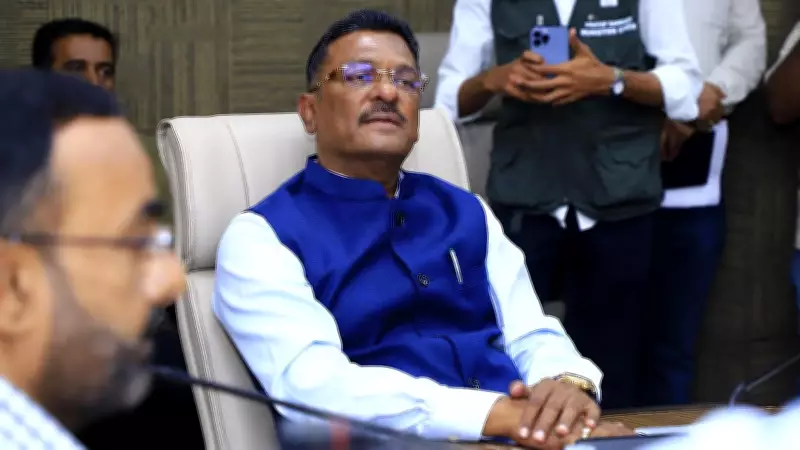
Transport Minister and MSRTC Chairman Pratap Sarnaik announced this mandate during a meeting at Mantralaya on January 27, 2026. The directive, dated the same day, applies to companies setting up fuel stations on MSRTC premises under the public-private partnership (PPP) model. These companies must now install EV charging points alongside traditional petrol and diesel facilities.
"As India moves towards becoming a developed nation by 2047, it is essential to bring a green revolution in the transport sector as well," Sarnaik stated. "The future of travel will be powered by electric energy, and MSRTC is committed to building the necessary infrastructure starting today."

Boosting EV Accessibility and Revenue
This initiative is designed to create an additional revenue stream for MSRTC while providing accessible charging points for Maharashtra's expanding EV user base. Currently, only one operational fuel station under this scheme exists in Dhule, but MSRTC plans to develop such facilities at 100 MSRTC-owned plots across the state.
An MSRTC official confirmed, "These charging stations will be available to all EV commuters." The corporation is also planning 174 charging stations exclusively for its electric buses at various locations, including Pune.
Maharashtra's EV Landscape
According to data from the Vahan portal, Maharashtra has over 5.78 lakh registered electric vehicles, supported by approximately 4,166 public charging stations. This highlights the growing demand for EV infrastructure in the state.
Fleet Conversion Challenges
Despite this infrastructure push, MSRTC's own fleet transition to electric buses lags behind. In November 2023, the corporation set a target to procure 5,150 electric buses by 2025. With that deadline now past, it operates just 600 electric buses, achieving barely 12 percent of its goal.
Sarnaik mentioned that a phased conversion plan is underway, with priority given to electric buses in future procurements. However, stakeholders like Rahul Jadhav, a frequent traveller from Wakad, express concerns. "It's a welcome move that MSRTC is promoting the EV sector," Jadhav said. "However, they should revisit their e-bus procurement targets while announcing the new ones."
Policy Support and Future Outlook
The infrastructure initiative aligns with recent policy support for the EV sector, including the Union budget 2026-27's exemption of basic customs duty on sodium antimonate exports, which could reduce battery raw material costs. This policy move may further incentivize EV adoption and infrastructure development.
MSRTC's mandate represents a significant step towards enhancing green transport infrastructure in Maharashtra, though it underscores the need for accelerated progress in fleet electrification to meet broader environmental goals.