

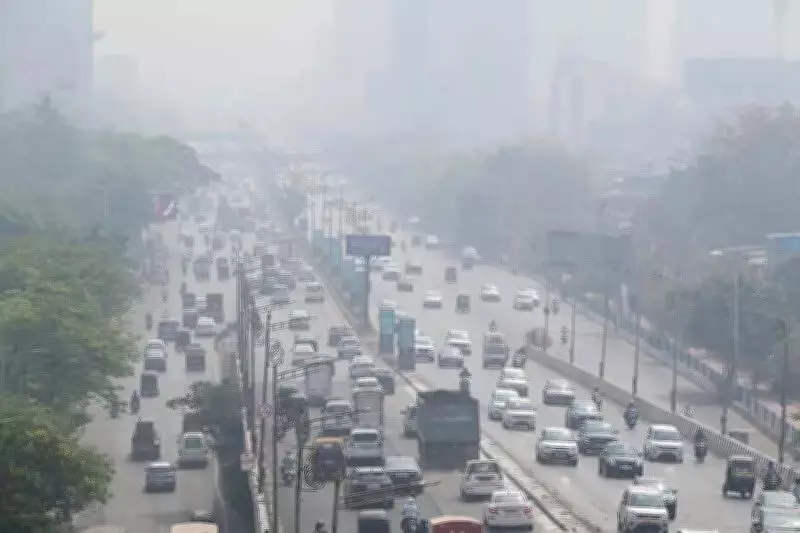
Mumbai Initiates MANAS Project with 75 Low-Cost Air Quality Sensors
In a significant move to combat air pollution, the Brihanmumbai Municipal Corporation (BMC) has launched co-location studies as part of the MANAS (Mumbai Air Network for Advanced Sciences) project. This initiative aims to calibrate low-cost air quality sensors with existing reference-grade monitoring stations across the city.
Hyperlocal Monitoring for Enhanced Decision-Making
Under the MANAS project, the BMC, in collaboration with IIT-Kanpur, plans to install 75 low-cost air quality monitoring sensors. These sensors are designed to provide hyperlocal data on air quality, enabling the civic body to make precise decisions on pollution control. The installation is targeted for completion before the monsoon season.
Civic officials have emphasized the importance of testing and fine-tuning the sensors due to Mumbai's coastal environment. "Since Mumbai is a coastal city, temperature and humidity will affect the functioning of the sensors. Therefore, the sensors have to be tested and fine-tuned accordingly," stated a BMC official. Approximately 10 sensors will be placed near existing CAAQMS (continuous ambient air quality monitoring systems) stations to ensure accuracy.

Strategic Deployment and Cost Implications
The sensors will be strategically installed at various BMC buildings, including:
- Ward offices
- Hospitals
- Schools
- Other civic structures
This deployment is expected to yield granular data on air pollution levels. The city will be divided into equal-sized grids of roughly eight square kilometres, with a sensor-based monitoring unit set up in each grid. These units will primarily measure PM 2.5 and PM 10 pollutants. The total cost for installing these air quality monitoring units is estimated at around Rs 13 crore.
Real-Time Data Integration and Mitigation Measures
Data from the sensors will be linked to a cloud-based system, with a dashboard facilitating real-time monitoring. This will allow the BMC to implement hyperlocal action and mitigation measures effectively. By integrating data from these new sensors with existing AQI monitoring units at construction sites, the BMC can identify pollution sources in real-time.
Currently, about 2,500 out of 2,700 construction sites in Mumbai have installed AQI monitoring units, with data from approximately 2,100 sites available on the BMC dashboard. The remaining sites are in the process of installing these monitors. This comprehensive approach enables the BMC to carry out real-time mitigation actions at the local level.
Expertise from IIT-Kanpur
The IIT-Kanpur team brings valuable experience to the project, having previously set up sensor-based monitoring units in Bihar, parts of Uttar Pradesh, and several other cities. Their expertise is expected to enhance the effectiveness of Mumbai's air quality monitoring efforts.
This initiative marks a proactive step by the BMC to address air pollution through advanced technology and data-driven strategies, aiming to improve public health and environmental sustainability in Mumbai.






