

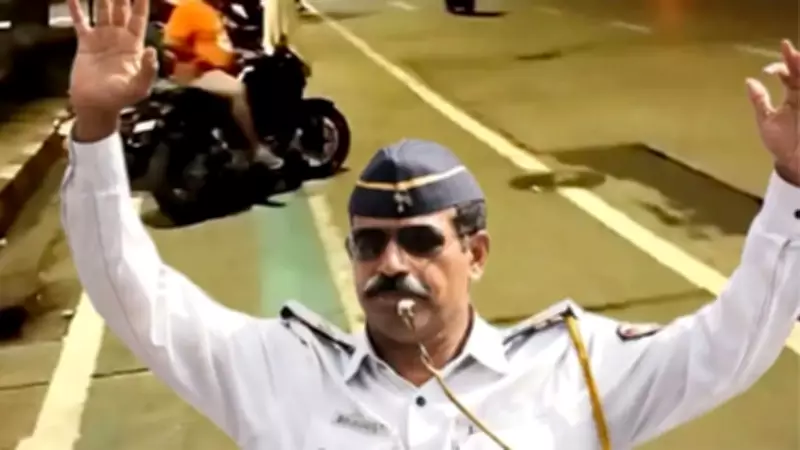
Mumbai Police's Innovative BTS-Themed Road Safety Message Captivates Social Media
In a remarkably creative approach to public safety messaging, the Mumbai Police Department has captured widespread online attention by incorporating global K-pop sensation BTS into a road safety warning. The innovative campaign, which cleverly references the group's song '2.0,' has resonated powerfully with fans while delivering a crucial civic message about responsible driving and riding behavior.
Strategic Social Media Campaign Reaches New Audiences
The Mumbai Police shared their BTS-inspired road safety post on Instagram, where it quickly gained traction before fan reactions amplified its reach across X (formerly Twitter) and other social platforms. The official post featured a concise yet impactful message that read: "No 'Hooligans' allowed on road. Remember, there's no 2.0 to life. #ComebackHomeSafe."
This strategic wording accomplished multiple objectives simultaneously. The opening line "No 'Hooligans' allowed on road" immediately addressed reckless driving behavior, while the subsequent reference to "no 2.0 to life" created an emotional connection by linking to BTS's popular track. The hashtag #ComebackHomeSafe provided a clear, memorable call to action that reinforced the campaign's primary safety objective.

ARMY Fan Community Embraces Unexpected Official Message
The BTS fan community, known as ARMY, responded with enthusiastic surprise and appreciation for the Mumbai Police's creative approach. Social media platforms buzzed with reactions that demonstrated how effectively the campaign reached beyond traditional public safety audiences.
One X user expressed their astonishment, writing: "Mumbai police official insta account using bts song was never on my bingo list.... Also Caption and Netflix India comment." Another fan shared their civic pride, posting: "OMG. Why do I feel proud because I live in Mumbai?" A third reaction highlighted the campaign's targeted effectiveness: "Mumbai police. Don't know about gp but atleast armys would listen."
These responses illustrate why the campaign resonated so strongly. Fans appreciated that the message felt authentic rather than forced, coming from an official city account they recognize while using BTS references in a natural, culturally relevant manner. The element of surprise—seeing a police department engage with pop culture—created additional engagement and sharing momentum.
Strategic Timing and Cultural Relevance
The Mumbai Police's campaign demonstrated sophisticated understanding of current cultural trends by aligning with BTS's ongoing 'ARIRANG' wave of popularity. This timing helped the message travel further within fan communities already actively engaged with the group's content. By blending a serious civic message with contemporary pop culture references, the department created content that felt both relevant and shareable.
The campaign's success highlights several important aspects of modern public communication:
- Cultural Relevance: Leveraging current trends to reach specific demographics
- Emotional Connection: Using familiar references to create personal impact
- Shareability: Creating content that audiences want to amplify
- Multi-Platform Strategy: Starting on Instagram and spreading organically to other platforms
Broader Implications for Public Safety Communication
This viral campaign represents a significant evolution in how government agencies approach public safety messaging. Rather than relying on traditional warnings that might be ignored, the Mumbai Police demonstrated how creative, culturally-aware content can:

- Reach younger demographics who might otherwise overlook safety messages
- Generate positive engagement with law enforcement agencies
- Create memorable messages that stick with audiences
- Leverage existing fan communities to amplify important messages
The campaign maintained clear focus throughout—using a BTS reference as an entry point, connecting it directly to road safety concerns, and concluding with a straightforward safety reminder. This approach ensured the entertainment value never overshadowed the crucial safety message at its core.
As social media continues to evolve as a primary communication channel, this Mumbai Police campaign serves as a compelling case study in how official agencies can creatively engage with diverse audiences while maintaining their core public safety mission. The viral response suggests that when government messaging meets cultural relevance with authentic execution, the results can be both impactful and widely celebrated.





