

Water Policy Expert Exposes Critical Flaws in Telangana's Musi River Rejuvenation Project
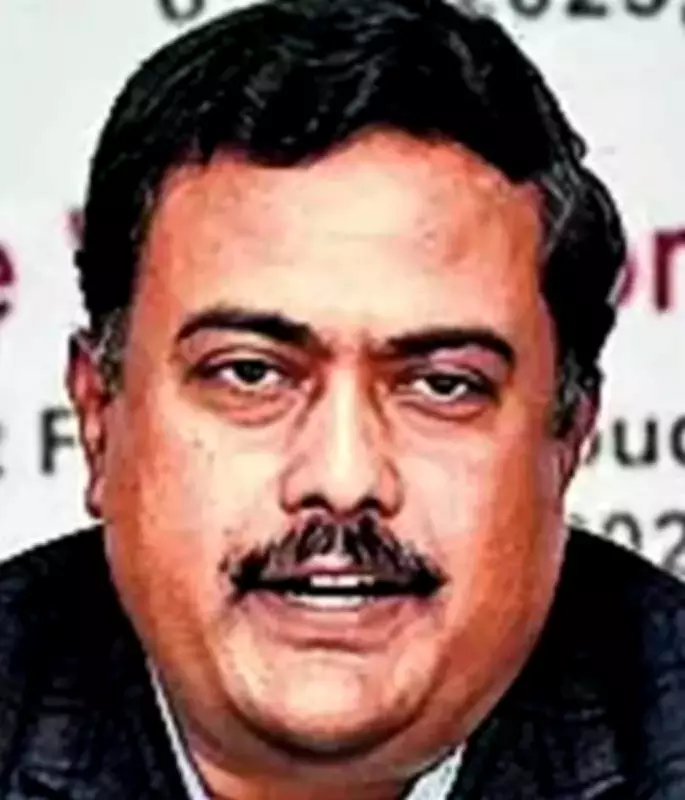
In a significant critique of the Telangana government's approach to the Musi River rejuvenation and riverfront development project, former advisor to the Jal Shakti Ministry, Sriram Vedire, has identified numerous fundamental flaws in the current plan. Speaking at a presentation organized by BJP Telangana, Vedire emphasized that the government must prioritize ecological rejuvenation before any development activities.
Major Planning Gaps in Upper and Lower Catchments
Sriram Vedire, who currently serves as an advisor to the Maharashtra Chief Minister on water policy and management, pointed out that the project lacks comprehensive planning for both the upper and lower catchment areas. He specifically highlighted the absence of plans for the stretch from Ananthagiri/Parigi to Osmansagar or Himayatsagar, as well as the section from Nagole to Wadapally, where the Musi River meets the Krishna River in Nalgonda district.
"Rejuvenation should be the first priority and development next. Without proper rejuvenation, any riverfront development becomes completely meaningless," Vedire stated unequivocally during his presentation titled 'River Musi'.

Critical Issues with Dam Safety and Buffer Zones
The expert raised serious concerns about several technical aspects of the project. He questioned the methodology used to calculate the 100-meter buffer zone on each side of the river, noting that this has created fear of displacement among local residents. Vedire also emphasized the need to consider the Probable Maximum Flood (PMF) guidelines for the Osmansagar and Himayatsagar reservoirs, which were constructed in 1920 and 1927 respectively, rather than relying on Standard Project Flood (SPF) calculations.
Furthermore, Vedire demanded clarity on whether proper safety analysis, including dam break analysis, has been conducted in accordance with the National Dam Safety Authority Act. "The government must provide transparent answers about whether these critical safety assessments have been properly completed," he insisted.
Essential Preconditions for Successful Rejuvenation
According to the irrigation expert, the Telangana government must address several fundamental issues before proceeding with any development work:
- Complete removal of encroachments within the protected zone
- Implementation of flood plain zoning as per Central Water Commission guidelines
- Ensuring that sewage never flows into the Musi River
- Only after these conditions are met should riverfront development be considered
Infrastructure and Planning Deficiencies
Vedire identified significant gaps in the planning for the second stretch from Osmansagar/Himayatsagar to Nagole. He raised crucial questions about:
- The connectivity of all sewerage lines to the sewage treatment plant network
- Comprehensive coverage of all nalas (drains) by sewerage interceptors
- Proper placement of both existing and newly planned sewage treatment plants
- Restoration and management of all stormwater drainage nalas
Political Response and Community Concerns
BJP Telangana state president N Ramchander Rao echoed Vedire's concerns, stating that while his party supports Musi River rejuvenation in principle, they oppose the government's current approach. "The government appears more focused on real estate development around the river than on genuine ecological restoration. We will stand with the people facing displacement without valid justification," Rao declared.
Rao criticized what he described as the government's lack of proper planning and unnecessary eviction of economically disadvantaged communities from riverbank areas. The political dimension adds another layer of complexity to the ongoing debate about the future of Hyderabad's historic Musi River.
The comprehensive critique from water policy experts and political opposition suggests that the Telangana government's Musi River project requires substantial reconsideration and more transparent planning to address both ecological concerns and community welfare issues.






