

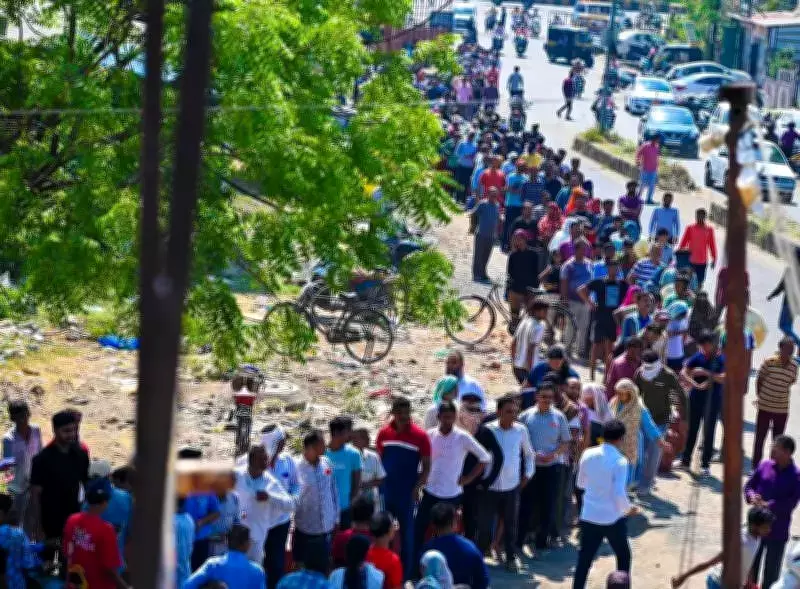
Nagpur LPG Crisis: Desperate Families Endure Hours-Long Queues Amid System Failure
Nagpur's streets transformed into battlegrounds of desperation on Thursday as hundreds of families, including women, the elderly, and children clutching empty cylinders, waited in serpentine queues stretching two to three kilometers outside LPG agencies. Under the scorching Nagpur sun, these citizens endured waits of up to four hours, with scenes of panic and confusion unfolding from morning as they rushed to gas agency outlets for refills.
System Failure Sparks Widespread Chaos
LPG distributors insisted there was no actual shortage of domestic cylinders but attributed the chaos to a critical 'system failure.' Despite their assurances, panic among consumers grew throughout the day, with distributors struggling to manage swelling crowds. Some agencies even deployed bouncers to control the queues, highlighting the severity of the situation.
A visit to multiple agency offices in East, South, and Central Nagpur revealed the scale of distress. Elderly people, women, and daily wagers stood shoulder to shoulder in the heat, patiently waiting their turn while carrying empty cylinders. In crowded localities, the queues extended past lanes and onto main roads, disrupting normal traffic flow.

Home Delivery Halt Worsens Situation
The situation deteriorated further after some distributors temporarily stopped home delivery services, forcing consumers to personally visit agency godowns to collect cylinders. While sources indicated home delivery continued in many areas, the partial suspension created additional pressure on physical outlets.
"I booked a cylinder around three days back, but since home delivery was stopped in my area, I went to the agency office. I waited in line for around 2.5 hours before I got a refill," said Chunnilal Khangar, who stood in a queue near Bidipeth.
Technical Glitches and Booking Failures
One of the key issues exacerbating the crisis was that many customers were unable to book cylinders online through the digital system. Simultaneously, panic drove consumers whose bookings were already confirmed to rush to agency offices instead of waiting for home delivery, creating unnecessary congestion.
"My son tried to book the cylinder multiple times and called the agency number many times, but in vain. So, I came to the agency office to see if my booking happened or not," said Kiranbai Kamble, with her empty cylinder beside her. "After spending more than three hours in the queue, I learnt that I did not get a booking. The agency agent told me to get the booking, as they cannot deliver until I give them an OTP. I only have one cylinder, which is empty. How am I going to cook food for my family?"
Distributors Point to Systemic Issues
Mahendra Gawai, who runs an agency near Bada Tajbagh, explained that the situation spiraled out of control throughout the day due to technical failures. "The system was down for more than 10 hours, so even if a customer reached us wanting to find out if their booking went through after they received a bill, we could not check it," said Gawai. "Around a year back, 25% OTP bookings were made mandatory by companies, but even then the system used to be down. Now they directed us to take 100% bookings, and the system is not capable of handling such a load." He admitted being moved after seeing the plight of people waiting in the heat.
Some distributors highlighted that earlier they had discretionary quotas to supply cylinders, which were subsequently stopped, leaving them unable to provide assistance to helpless citizens. Previously, distributors could help citizens book cylinders, but this practice was completely discontinued.
Safety Concerns Amid Growing Anxiety
Pratik Jaiswal, another distributor, expressed concerns about operating amid the panic and chaos. "One of my workers was stopped by a group of people who fled with 8 cylinders. People are getting anxious, and it is becoming risky for us as well," said Jaiswal, underscoring the security challenges faced by agency staff.

The Nagpur LPG crisis highlights critical infrastructure vulnerabilities in essential service delivery systems, particularly during peak demand periods. As citizens continue to grapple with uncertainty, questions remain about systemic preparedness and contingency planning for such failures in urban fuel distribution networks.





