

Nagpur's Anti-Encroachment Drive Proves Ineffective as Vendors Swiftly Return
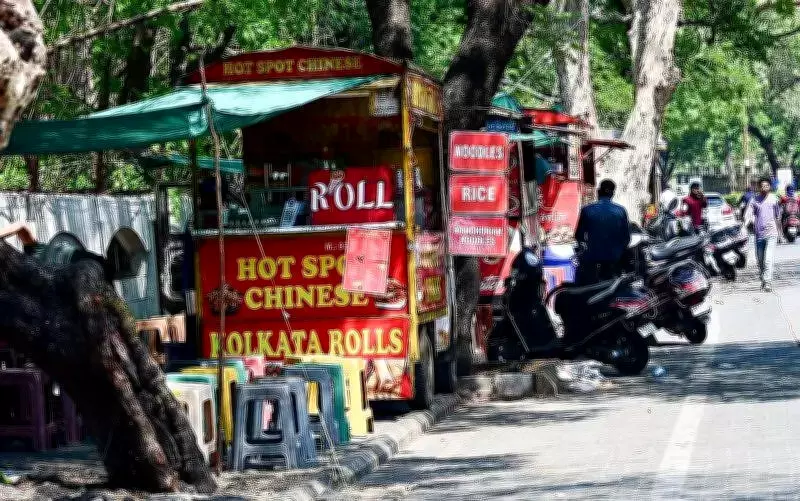
In a stark demonstration of enforcement challenges, squatters have reclaimed footpaths near IT Park and VNIT in Nagpur within a mere 24 hours of an anti-encroachment operation conducted by the Nagpur Municipal Corporation (NMC). This rapid reoccupation underscores the civic body's persistent inability to sustain its efforts and prevent the swift return of unauthorized vendors, raising questions about the long-term efficacy of such drives.
Drive Initiated Under High-Level Directives
The drive, executed on Saturday, was carried out following explicit directives from Union Minister Nitin Gadkari and Mayor Neeta Thakre, with officials adopting a zero-tolerance stance. During the operation, food carts, stalls, and temporary structures were systematically removed from the area, aiming to clear the footpaths and restore pedestrian access. However, a visit by TOI on Sunday afternoon revealed a complete reversal, with vendors back in full operation. Cooking setups, plastic seating arrangements, and crowds had returned to the stretch, effectively nullifying the previous day's efforts.
IT Park–VNIT Road: A Persistent Informal Hub
The IT Park–VNIT road has long served as an informal food hub, popular among students and professionals for its affordable and convenient offerings. Despite its popularity, this area is plagued by significant issues, including chronic traffic congestion, poor hygiene standards, and obstructed pedestrian movement. The recurring encroachment not only disrupts daily life but also poses safety and health risks to the community.

Cyclical Pattern of Eviction and Return
This incident is not isolated but part of a broader, cyclical pattern observed across Nagpur. Similar drives have repeatedly failed to deliver lasting results, as vendors typically employ strategies to evade enforcement. Many shift their carts to nearby residential pockets during operations and promptly return once municipal teams withdraw. Compounding the issue, some vendors operate multiple carts, allowing them to quickly replace seized units and resume business, making effective deterrence a formidable challenge.
Widespread Issue Across Multiple Areas
The problem extends far beyond the IT Park vicinity. Similar cycles of eviction and rapid return persist in other key areas such as Jaripatka, Itwari, Mahal, and Sadar, where encroachment drives offer only temporary relief. The absence of a robust regulatory framework has kept this urban management issue unresolved for years, with piecemeal approaches proving insufficient to address the root causes.
Stalled Proposals and Resistance to Change
Proposals for designated hawker zones and organized marketplaces have been discussed as potential solutions but have largely remained on paper. In some cases, these initiatives have faced resistance from vendors who are unwilling to relocate, citing concerns over loss of customer base and livelihood disruptions. This lack of consensus and implementation has hindered progress toward a sustainable resolution.
Ground Reality Reflects Ongoing Struggle
Despite renewed action spurred by Gadkari's push to keep footpaths free of encroachments, the ground reality continues to reflect a frustrating cycle of eviction and return. The inability to break this pattern highlights deeper systemic issues within urban governance and enforcement mechanisms in Nagpur.
Lack of Official Response
When approached for comments, Mayor Neeta Thakre and Assistant Commissioner (Encroachment) Harish Raut did not respond to TOI's queries, leaving questions about future strategies and accountability unanswered. This silence further emphasizes the challenges in addressing the encroachment problem effectively.






