Nagpur Civic Body's Controversial Smart Signal Expenditure Amid IITMS Project Failures
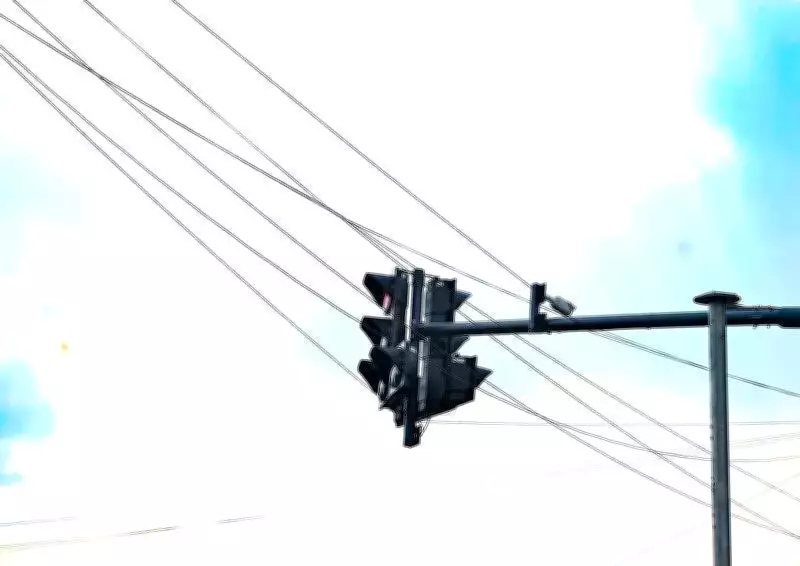
The Nagpur Municipal Corporation's electrical department has triggered significant controversy with its decision to allocate over Rs 19 lakh for installing a "smart" traffic signal at the Haldiram Day-to-Day junction on Central Avenue in east Nagpur. This move has raised serious questions about duplication of work, wasteful expenditure, and apparent lack of coordination within the civic administration.
Background: The State-Funded IITMS Project
What makes this expenditure particularly questionable is that Nagpur city is already covered under the Rs 197-crore state-funded Intelligent and Integrated Traffic Management System (IITMS). This ambitious project was specifically conceived to modernize and integrate traffic signals across the entire city, with Central Avenue explicitly identified as one of the major arteries for implementation.
The IITMS project, backed by the state government and implemented with technical partner Keltron in coordination with Nagpur traffic police, was projected as a transformative solution for urban traffic management. It promised:

- Adaptive, AI-driven traffic signals capable of responding to real-time traffic density
- Integrated surveillance camera systems
- Improved traffic enforcement mechanisms
- Significant reduction in congestion through intelligent coordination
The project blueprint identified 171 junctions across Nagpur for phased implementation, including major intersections along Central Avenue, Wardha Road, and Amravati Road.
Ground Reality: IITMS Implementation Failures
Despite these ambitious promises, the reality on the ground presents a starkly different picture. More than two years after the project's rollout, only around 10 junctions have seen partial activation of smart signals, and even these operate inconsistently at best.
Key traffic squares across the city continue to suffer from non-functional or erratically working signals, including:
- Jhansi Rani Square
- Law College Square
- RBI Square
- Variety Square
- Seminary Hills crossing
- Multiple intersections along Central Avenue
In numerous cases, traffic signals remain switched off for weeks at a time, forcing traffic police to manually manage peak-hour chaos. The situation has been further complicated by reported turf issues between NMC and traffic police regarding access, control, and operation of the IITMS infrastructure.
Duplication Concerns and Civic Criticism
Instead of resolving these systemic bottlenecks and accelerating the citywide rollout of the integrated system, NMC's decision to install a standalone smart signal at one junction using municipal funds is being widely criticized as a classic case of duplication of work already funded by the state government.
Urban planners and civic activists argue that such piecemeal spending fundamentally defeats the very purpose of an integrated traffic management system. "If Central Avenue junctions are already part of the IITMS plan, why is NMC spending extra money to create a parallel setup?" questioned a senior civic activist. "This represents taxpayers paying twice for the same promise."
Judicial Scrutiny and Safety Implications
The issue gained additional urgency after the Nagpur bench of Bombay High Court took suo motu cognisance of media reports highlighting the collapse of the city's traffic signal system. The court flagged non-functional and partially functional signals that have turned busy intersections into accident-prone zones.
Civic safety groups have repeatedly warned that signal failures at major squares lead to:
- Confusion among motorists
- Frequent traffic jams
- Noticeable rise in minor accidents
The electrical department itself has faced sustained criticism for its lackadaisical approach to maintaining existing signals, with numerous defunct traffic lights across the city remaining unattended for months.

Official Defense and Unanswered Questions
Defending the fresh tender, executive engineer (electrical) Rajendra Rathore stated that the demand for a signal at the Central Avenue junction came from traffic police, citing specific concerns about congestion and accidents at that location.
However, critics maintain that the core question remains unanswered: why should citizens pay again for what the IITMS was already meant to deliver? Furthermore, they question how many more such duplications will follow before the integrated system actually functions as originally promised.
The controversy highlights deeper issues within Nagpur's civic administration, including coordination failures between different departments, questionable expenditure priorities, and the apparent inability to effectively implement large-scale infrastructure projects designed to benefit the entire city.